The Casino District: Symbolic Power & Controlled Access
A visual study of the Casino District as an architectural system of symbolic power, selective accessibility, ritualized circulation and elite visibility in Monte Carlo.
Methodological Note
This gallery is based on systematic visual observation conducted in Monaco between 2017 and 2025. The selected images form part of a broader fieldwork archive focused on the visual, spatial and symbolic organization of luxury in Monte Carlo.
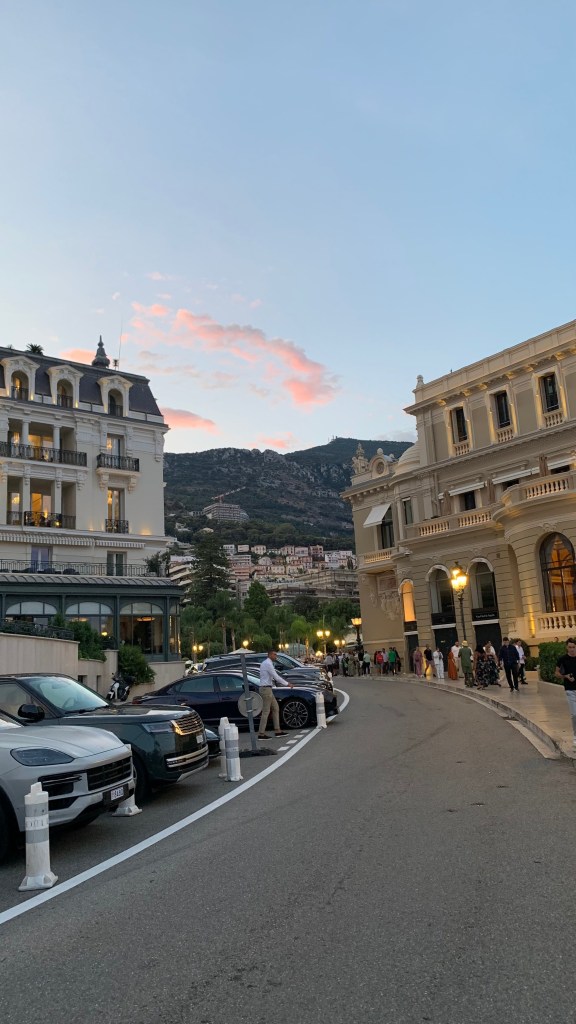
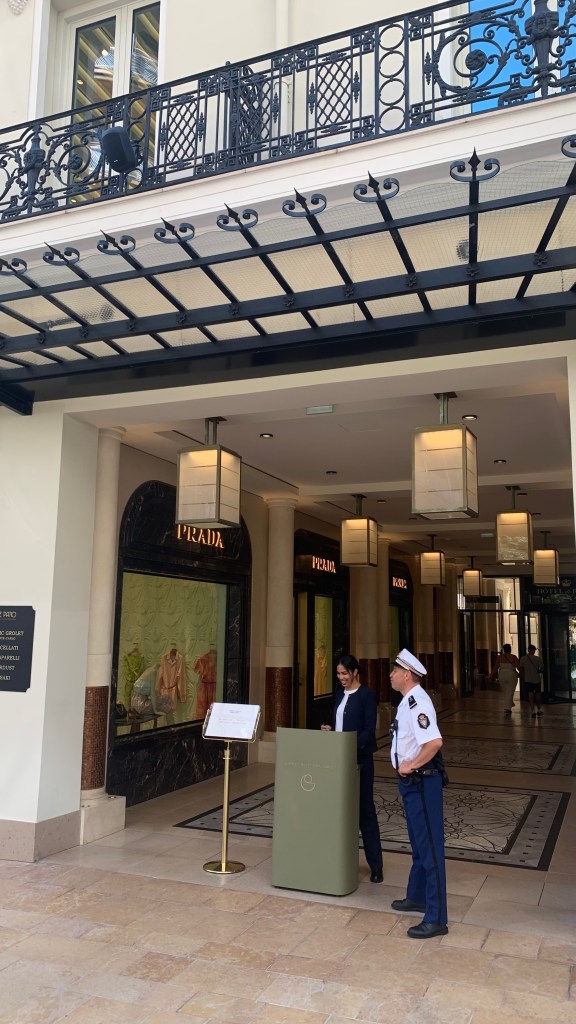
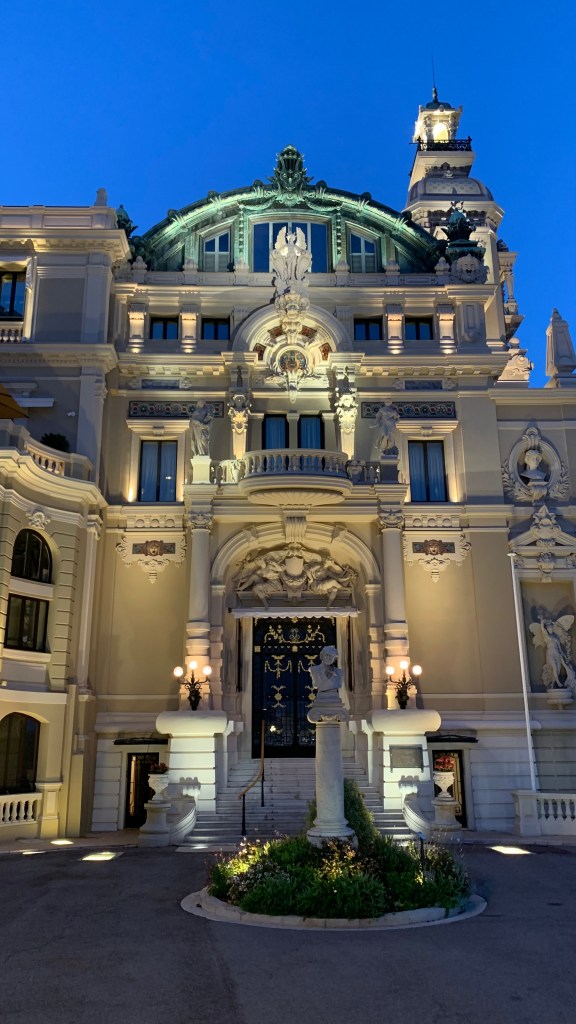
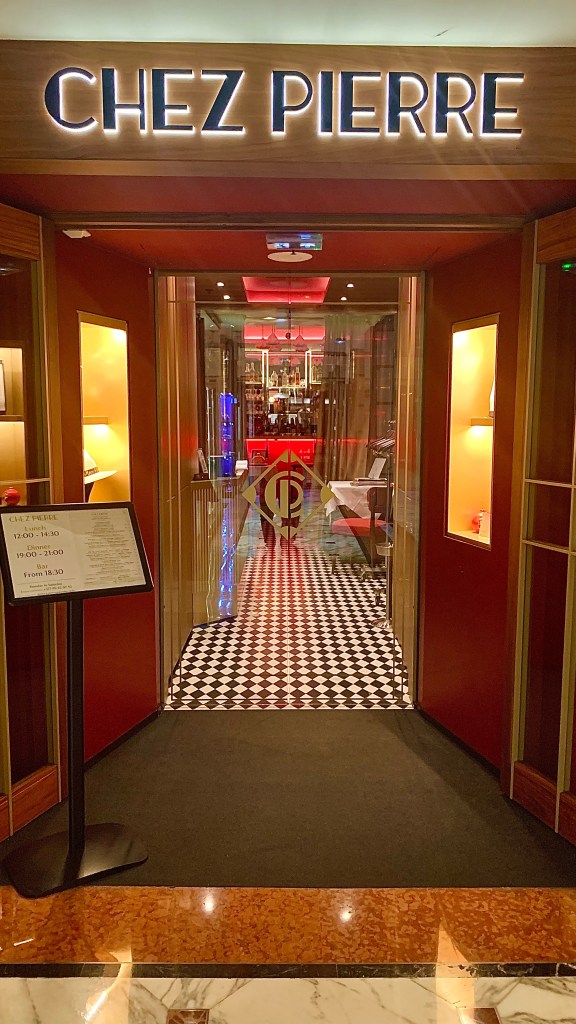
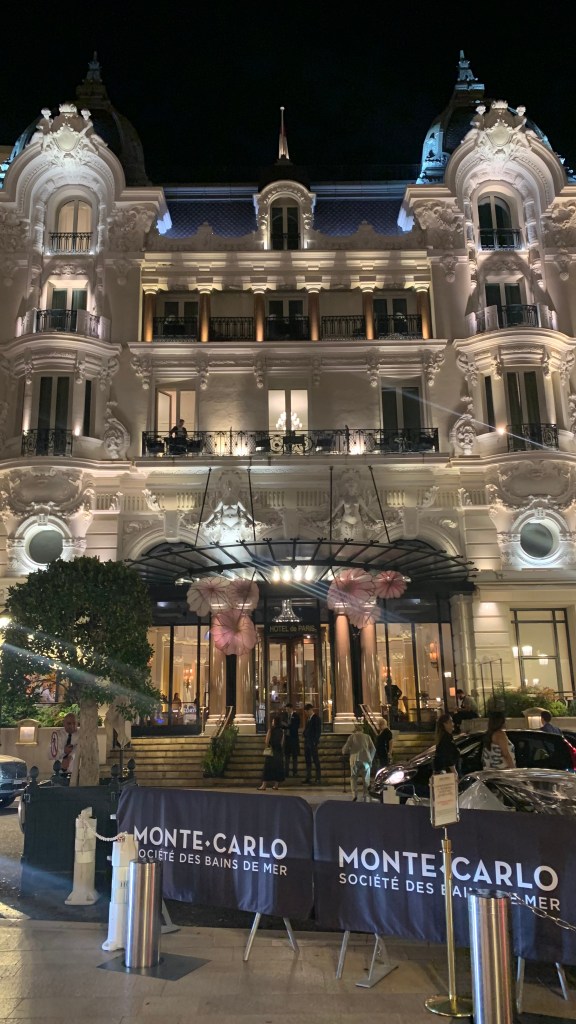
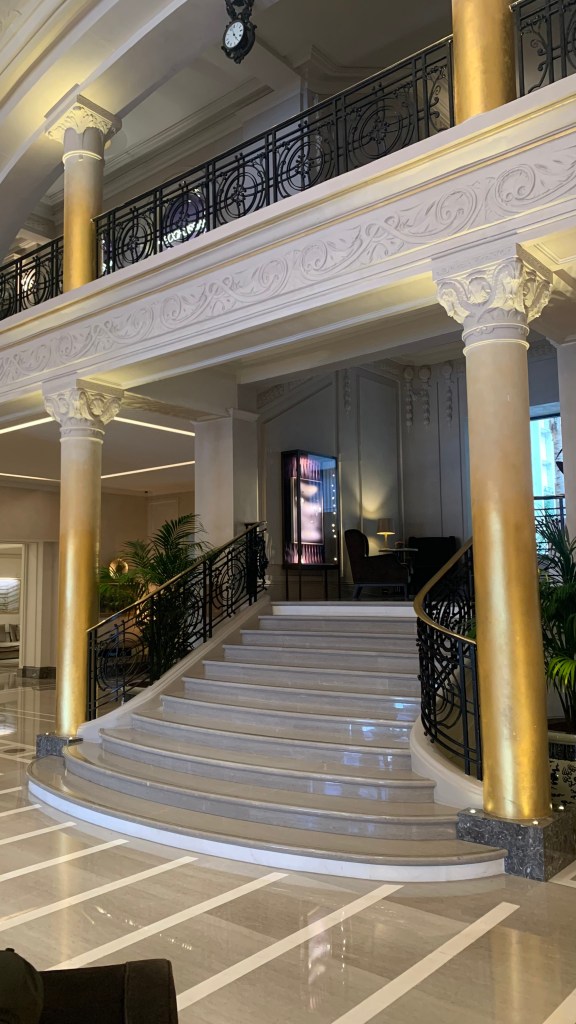
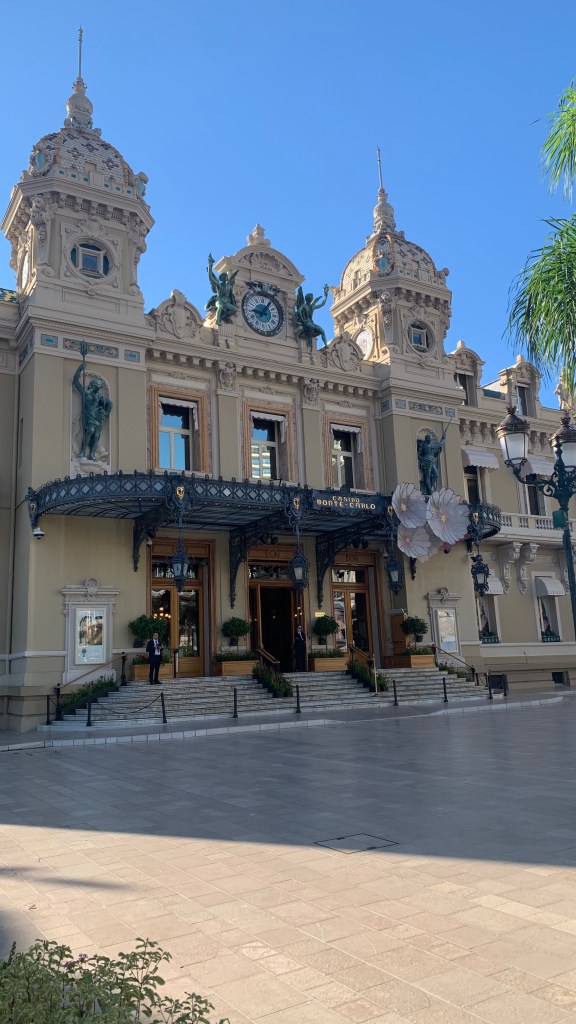
The Casino District is treated here not only as a monumental urban setting, but as a controlled spatial system. Entrances, staircases, façades, reserved perimeters, luxury boutiques, restaurants and hotel thresholds are read as mechanisms through which access is filtered, prestige is staged and social distinction becomes visible.
The images and videos were selected according to their relevance for understanding symbolic power, controlled access, architectural hierarchy, exclusionary thresholds and elite circulation within the Carré d’Or and the Place du Casino.
Reading Guide
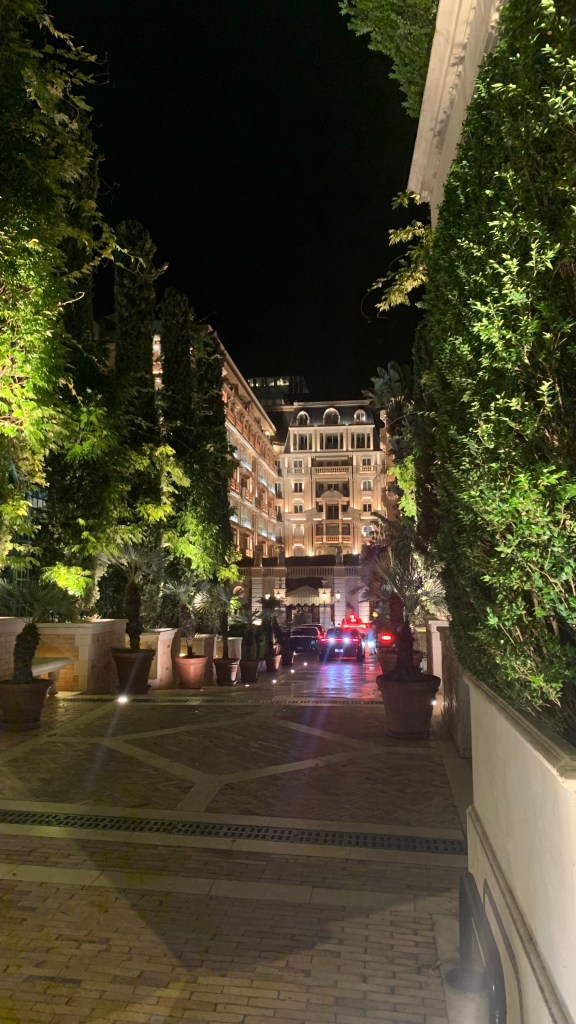
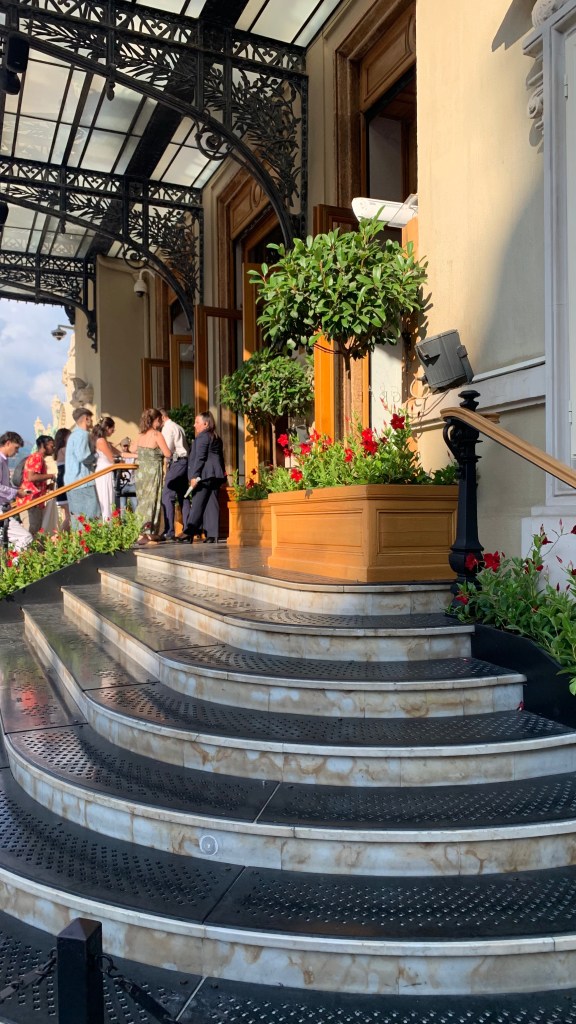
- Threshold: entrances, staircases and access points regulate who approaches, who pauses and who enters.
- Monumentality: façades, columns and elevated passages transform movement into ritual.
- Visibility: the district allows tourists to look, while reserving full participation for selected guests.
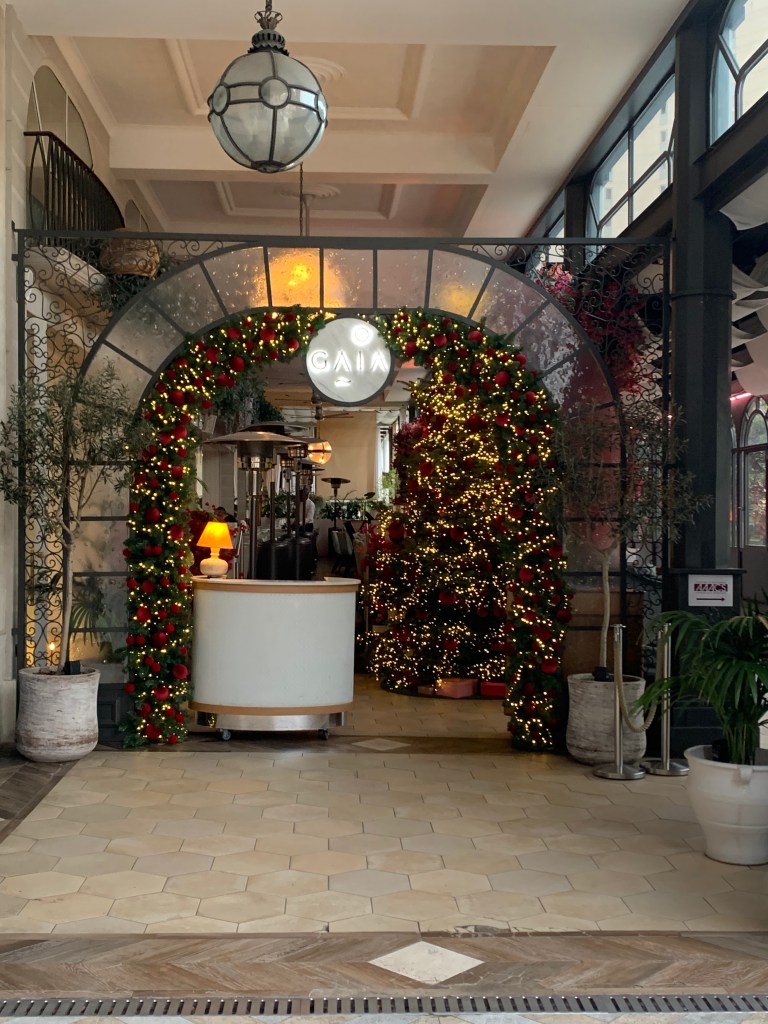
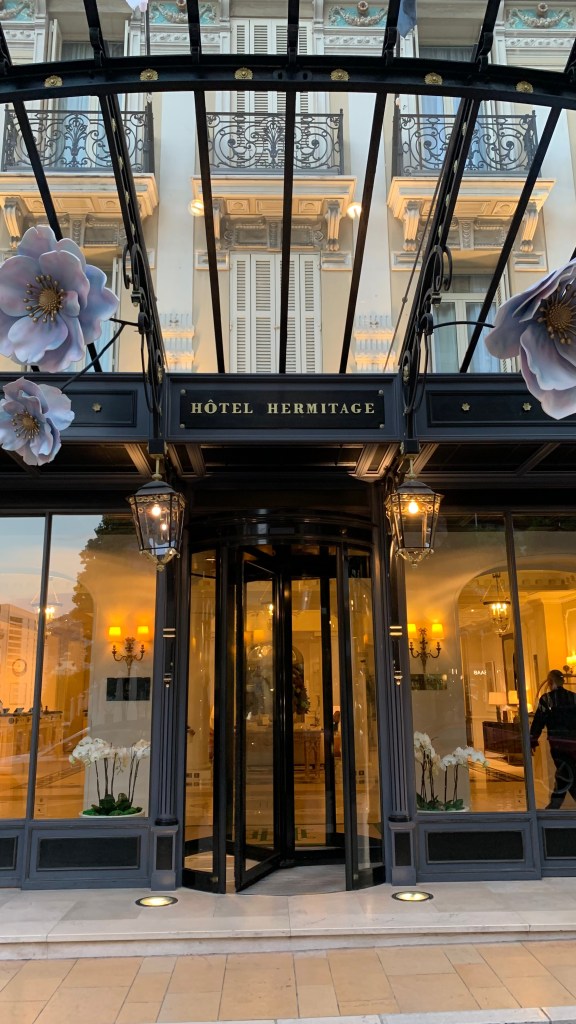
- Controlled access: restaurants, hotels and boutiques operate through subtle filters rather than explicit prohibition.
- Urban hierarchy: the Place du Casino concentrates luxury, mobility and symbolic capital into a highly legible spatial order.
Visual Fieldwork Gallery
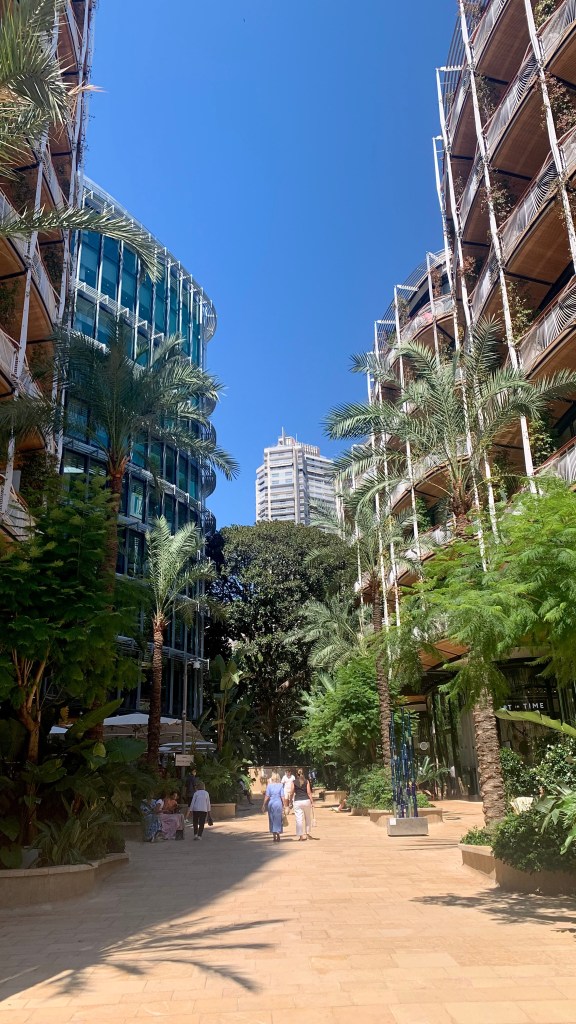
These images should be read as visual fieldnotes. Each photograph isolates one mechanism through which the Casino District transforms luxury into spatial hierarchy: entrance, elevation, boundary, controlled visibility, monumental access and symbolic exclusion.
All visual references discussed in this article originate from the author’s fieldwork archive. They form part of the Monte Carlo Gallery Collection, the visual archive of Xavier Reinaldo-Virgili (2017–2025). Selected materials are accessible through the project’s visual repository on Instagram: @nice_monaco.
Video Observations
The following videos should be read as moving fieldnotes. They capture arrival rituals, controlled routes, access points, boutique thresholds and the spatial choreography of the Casino District. Movement matters: power is not only built into façades; it is performed through passage, waiting, access and exclusion.
Observe the relation between bodies and entrances, the distance between spectators and privileged zones, and the way the Place du Casino converts circulation into prestige.
Key Interpretive Insights
- Luxury as threshold: the Casino District organizes prestige through entrances, staircases, façades and controlled passages.
- Luxury as selective visibility: the district allows public observation while restricting full participation to specific guests and consumers.
- Luxury as symbolic centrality: the Casino, Hôtel de Paris and Carré d’Or concentrate the visual codes of Monte Carlo’s elite urban identity.
- Luxury as spatial filtering: restaurants, boutiques and hotel perimeters create exclusion zones without always displaying explicit barriers.
- Luxury as ritualized access: arrival, waiting, entering, crossing and being seen become part of the district’s social choreography.
Position within the Nice Monaco Research Project
This page belongs to the research line on Architecture of Power & Exclusion. It also connects with the visual study of luxury iconography and the sociological analysis of elite visitors. The Casino District is both object and method: a place where luxury can be observed as architecture, ritual, threshold and social sorting.
Architecture of Power & Exclusion · Luxury & Sociology of the Tourist · Visual Iconography · Ritual Spaces Matrix
All photographs and video content belong to the author’s fieldwork archive.
© Xavier Reinaldo Virgili 2017–2025.

