Architecture of Power and Exclusion in Monte Carlo
An academic reading of how architecture, spatial hierarchy and symbolic control structure luxury in one of Europe’s most codified urban environments.
Monte Carlo is much more than a district of the Principality; it is a stage where power materializes in urban space. Architecture is a social construct that organizes hierarchies, regulates social dynamics and delimits spaces of belonging, those places where one looks and, at the same time, is looked at.
Monumental buildings, impeccable infrastructure, and a combination of visible and invisible barriers function as filters and thresholds. The territory simultaneously includes and excludes, almost as an essential part of its identity. This page approaches Monte Carlo as a spatial system in which aesthetics, mobility, surveillance and architectural design silently order the experience of luxury.
What this page covers
- Monte Carlo as a territory of symbolic ordering
- The Casino District as the central architecture of prestige
- Port Hercule and the spatialization of private power
- Material aesthetics as markers of distinction and controlled access
- Soft and physical boundaries as infrastructures of exclusion
Power Materialized in Space
Monte Carlo can be read as an urban dispositif in which luxury is not merely displayed but spatially organized. Its architecture does not simply host elite practices; it produces them by assigning value to certain routes, façades, thresholds, elevations and viewpoints. In this sense, the district is not only a backdrop for distinction but an active mechanism through which it is legitimized.
A sociological reading of Monte Carlo requires attention to how built space shapes circulation, recognition and selective belonging. Monumentality, controlled access, curated visibility and aesthetic consistency transform ordinary urban experience into a codified regime of prestige. The city teaches its own hierarchy through architecture.
The Casino District: Symbolic Power and Controlled Access
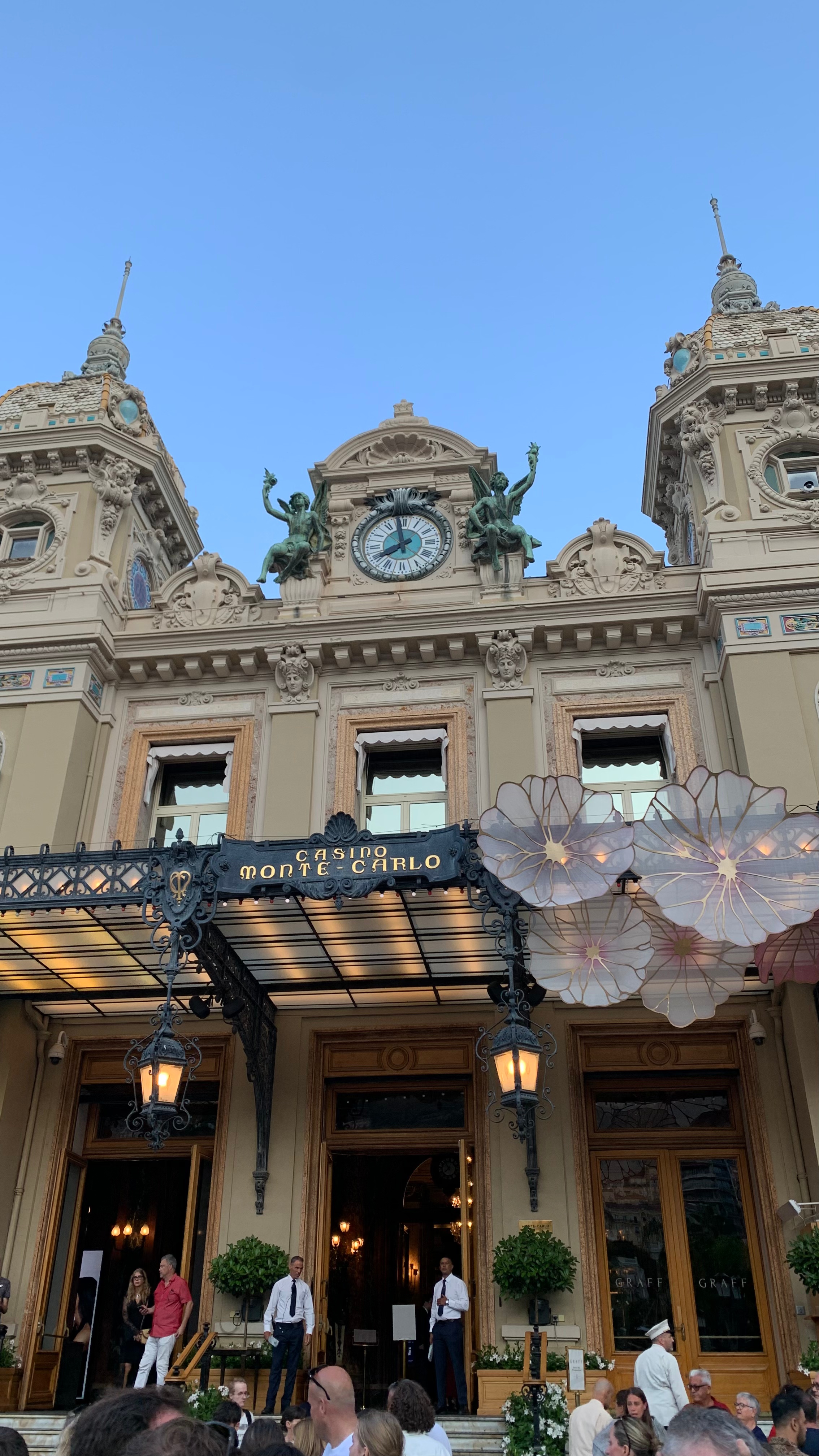
The Casino District constitutes the central spatial device of Monte Carlo’s luxury regime. It is here that architecture, circulation and visibility converge most clearly to produce a hierarchy of presence. The Casino acts as a temple of prestige, the Carré d’Or as a landscape designed for distinction, and the surrounding hotel complex as a network of thresholds that ritualize access and encode belonging.
- The Casino as a temple of prestige.
- The Carré d’Or as a landscape designed for distinction.
- The Casino entrance as a ritual of soft exclusion.
- The Hôtel de Paris, Hôtel Hermitage and Hôtel Metropole as architectures that legitimize hierarchies.
Port Hercule: Power Through Scale and Mobility
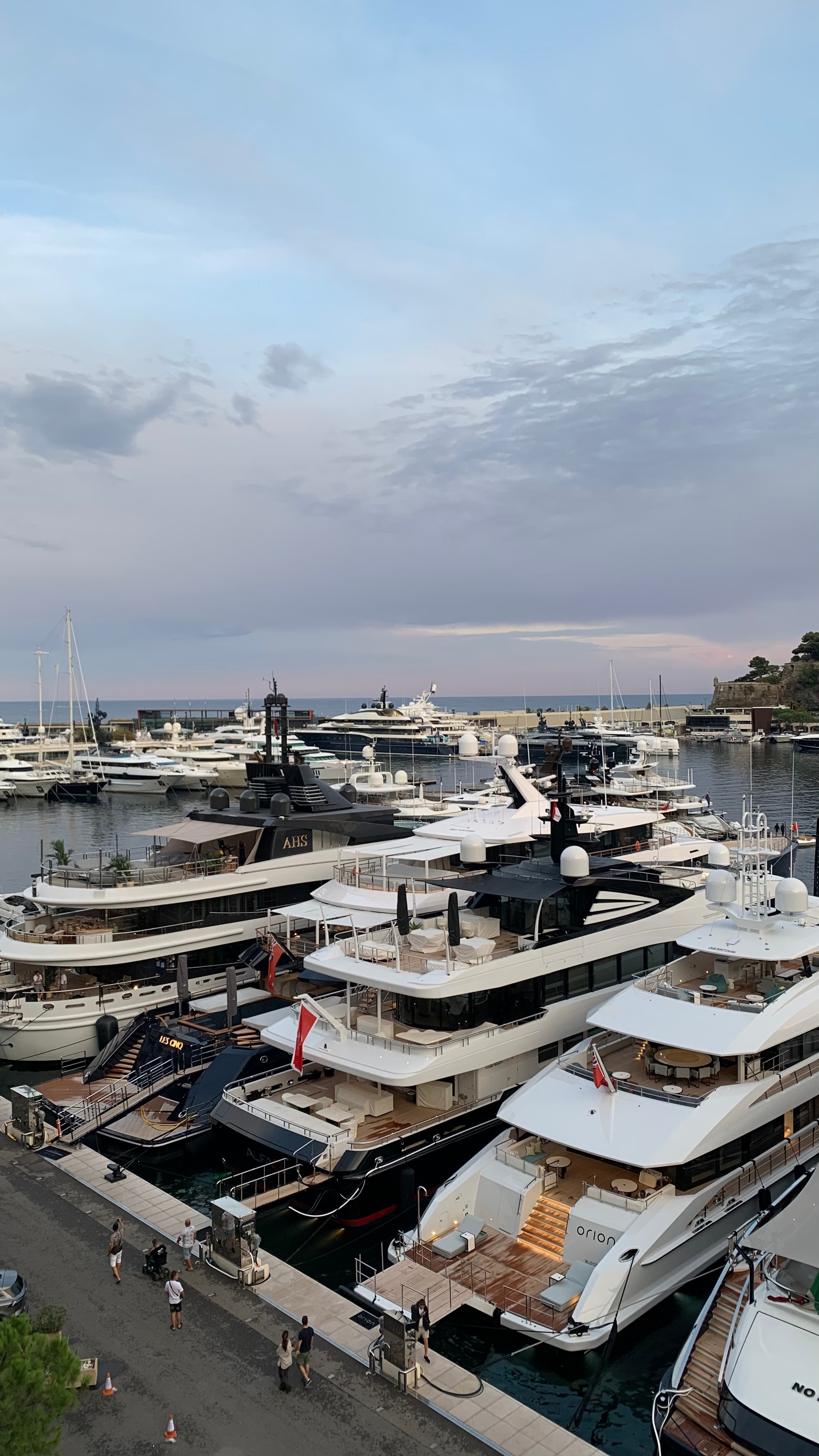
Port Hercule extends the architecture of power beyond monumental buildings and into the maritime landscape. Here, hierarchy is expressed through the scale of megayachts, the distribution of moorings and the segmentation of access. Mobility itself becomes stratified, converting the port into a visible geography of private power.
- The scale of megayachts as an architectural demonstration of private power.
- Segmentation by size as a system of “floating classes.”
- Spaces accessible only to a few: private clubs, restricted docks and controlled interfaces.
Material Aesthetics of Luxury
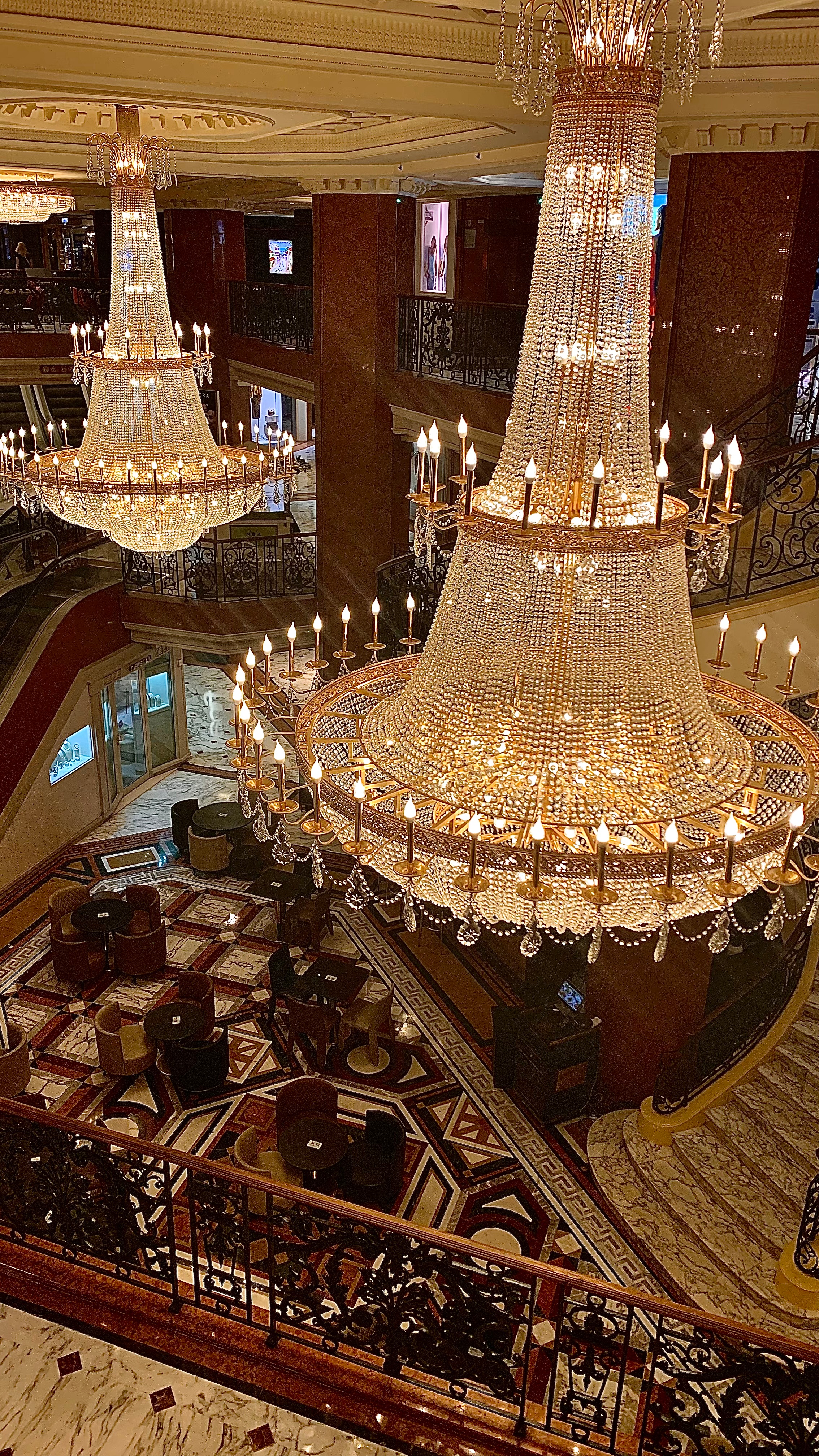
In Monte Carlo, materiality is never neutral. Marble, crystal, gold-toned lighting and ornamental density do not merely decorate space: they structure atmospheres of prestige and reinforce expectations of exclusivity. Material aesthetics work as subtle technologies of social ordering, indicating who belongs, who is admitted and under what terms.
- Use of marble, glass and golden lighting.
- Monumental decoration as a language of prestige.
- Interior design as a marker of restricted access and symbolic elevation.
Soft Borders: Subtle Infrastructure of Exclusion
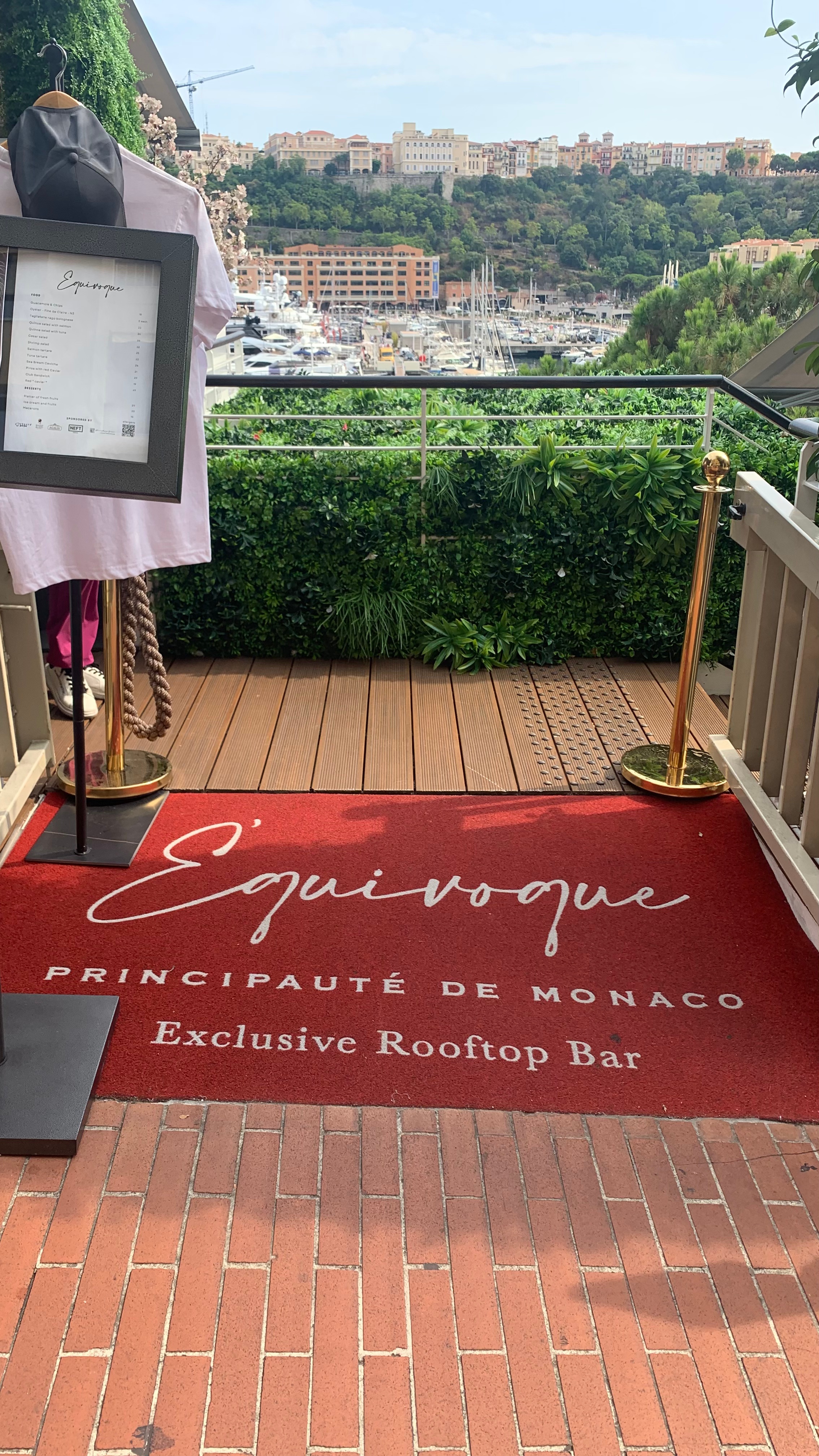
Exclusion in Monte Carlo does not always depend on explicit prohibition. More often, it is organized through soft borders: prices, capacity limits, signage, codes of dress and the implicit norms that regulate who feels entitled to remain in certain spaces. These boundaries are effective precisely because they appear discreet, natural and socially unforced.
- Prices as mechanisms of exclusion.
- Selective capacity limits.
- Implicit social codes.
- Discreet signage to delimit spaces.
Physical Boundaries of Luxury
Alongside symbolic filters, Monte Carlo also deploys visible and material boundaries that regulate circulation. Chains, pivots, steps, elevated thresholds and controlled entry points convert access into a ritualized sequence. These devices rarely appear aggressive; instead, they naturalize the selective logic of luxury by embedding exclusion into the choreography of movement.
- Mobile pivots and chains as selective control systems.
- Changes of level as architectural signals of hierarchy.
- Thresholds, stairs and barriers as codified transitions of access.
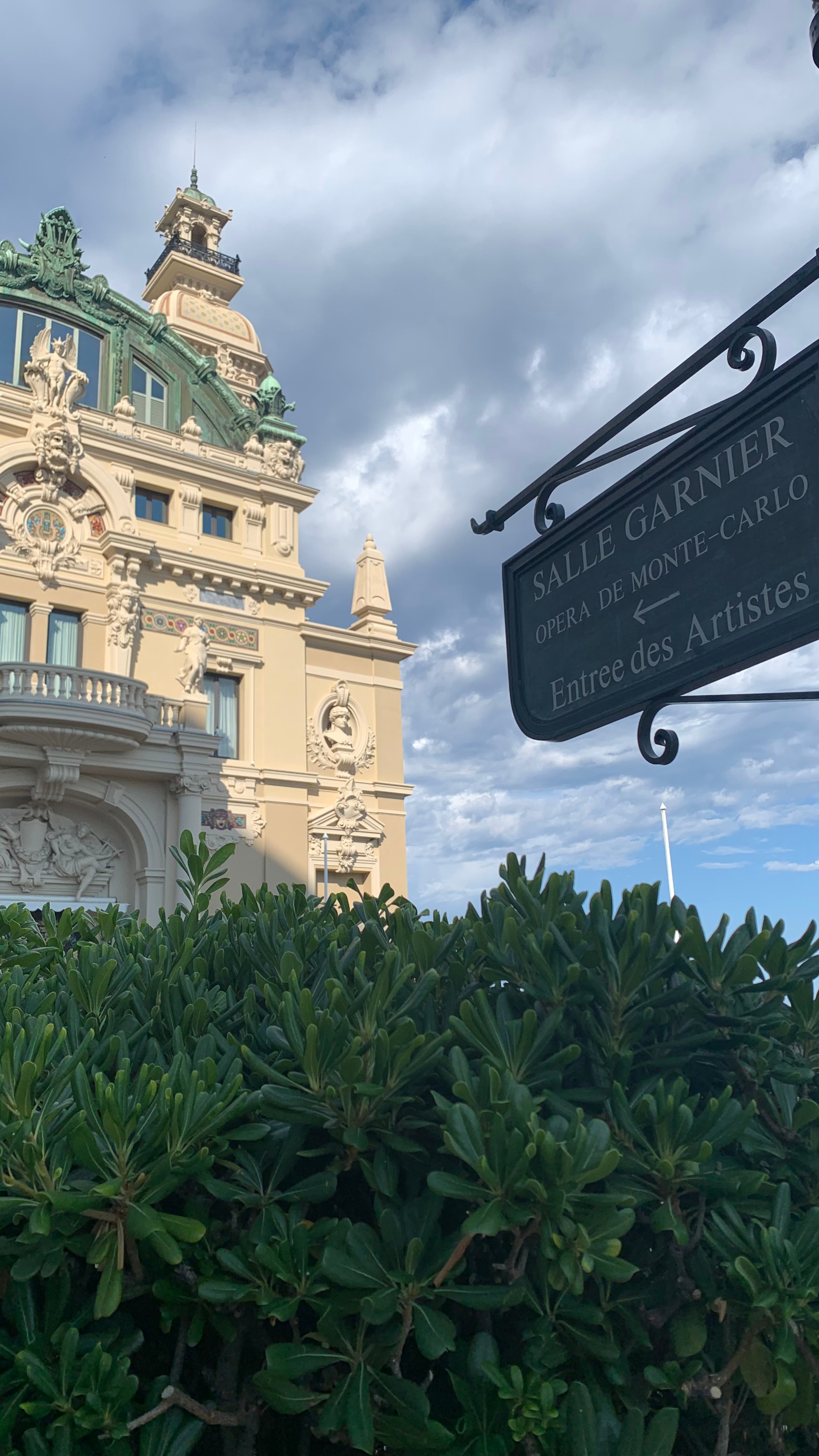
Fieldwork and Visual Archive Statement
This web space presents a selection from the audiovisual catalogue produced by the author during fieldwork in Monte Carlo since 2017. All photographs and videos displayed throughout the project were personally recorded and form part of the Monte Carlo Gallery Collection, the visual archive of Xavier Reinaldo-Virgili (2017–2025).
Selected materials are also accessible through the project’s visual repository on Instagram: @nice_monaco.
All photographs and video content belong to the author’s fieldwork archive.
© Xavier Reinaldo Virgili 2017–2025.

