“Conspicuous consumption of valuable goods is a means of reputability to the gentleman of leisure.”
Veblen, T. (1899). The theory of the leisure class: An economic study of institutions. New York, NY: Macmillan.
Veblen’s conspicuous consumption and the sociology of luxury tourism: a reading from Monte Carlo
Contemporary luxury cannot be defined as the consumption of high-quality goods, but rather as a social phenomenon that combines distinction and visibility. The behavior of elite tourists represents a symbolic language that reinforces their belonging to a privileged group. Bourdieu’s contributions complement this theory in the current context, indicating that ostentation coexists with other more discreet forms of distinction based on authenticity and symbolic capital.
Monte Carlo is an ideal setting for observing these dynamics through urban design, tourist infrastructure, and cultural history. Display, hierarchy, and status projection become visible.
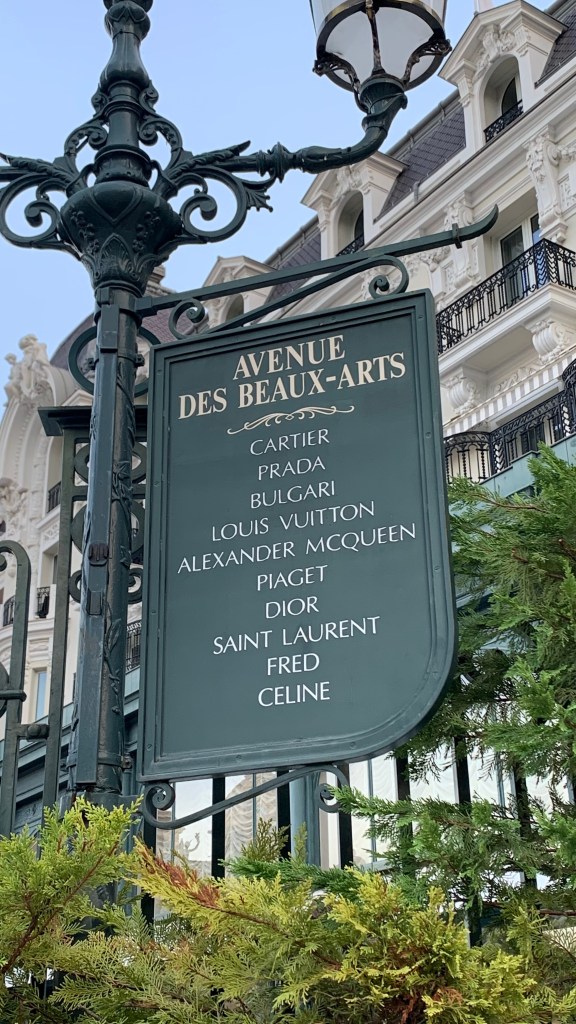
The Avenue des Beaux-Arts is one of the epicenters of the refined aesthetics of the Carré d’Or. .
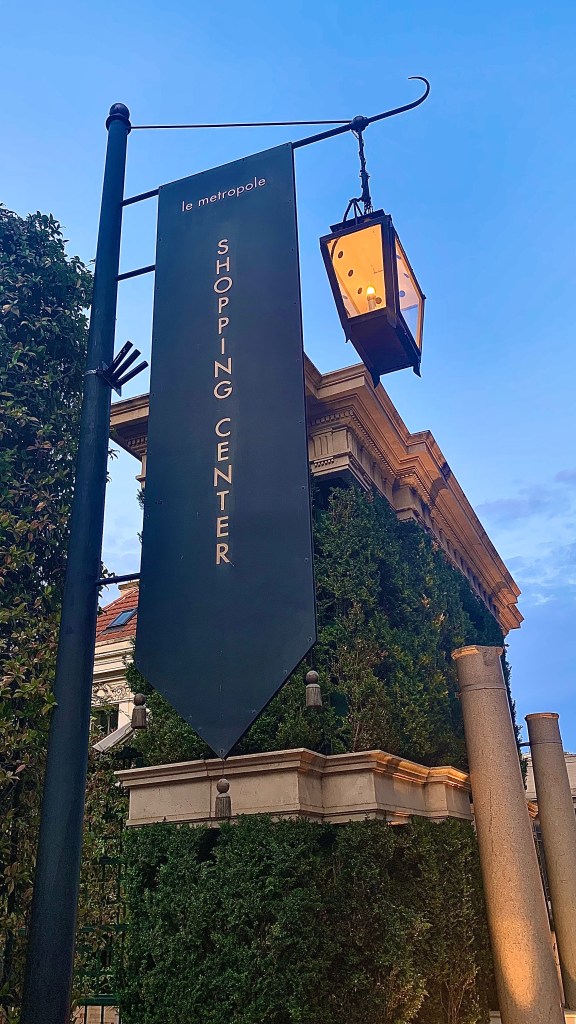
The image on the left represents a prestige map: visitors are offered a visual guide that directs them to a circuit of boutiques where consumption becomes exhibition. Below, the Metropole Shopping Centre becomes a social arena for consumption. A visit to this shopping center is a display of status, where shopping, according to Veblenian logic, is a visible symbol of performed prestige.
All photographs and video content belong to the author’s fieldwork archive.
© Xavier Reinaldo Virgili 2017–2025.

