ES·EN
Monaco Research Observatory · Monaco Visual Observatory
MTT-001 · Monaco Through Time
Longitudinal Observation · Tourist Landscape · Urban Transformation · Place du Casino
This Monaco Through Time study examines visual continuity and change in Place du Casino through photographs taken at different stages of the fieldwork period.
The comparison does not seek to reconstruct the square’s entire historical evolution. Its purpose is more narrowly defined: to compare repeated observations of the same setting in order to identify features that remain, features that change, and configurations that may occur only temporarily.
Visual Research Record
| Record ID | MTT-001 |
| Format | Monaco Through Time |
| Title | Place du Casino Through Time |
| Research environment | Monaco Visual Observatory · Monaco Research Observatory |
| Location | Place du Casino · Monte-Carlo · Monaco |
| Visual material | Four fieldwork photographs |
| Temporal observations | 4 |
| Source archive | Monaco Visual Fieldwork Archive · MVFA |
| Research themes | Longitudinal Change · Tourist Landscape · Urban Transformation |
| Research approach | Longitudinal comparative visual observation |
| Analytical status | Independent Longitudinal Visual Research · Not a VAM or SECP assessment |
01
Research Question
What remains visually stable, and what changes, in Place du Casino across repeated fieldwork observations?
The same tourist space can exhibit long-term continuities and visible changes occurring at different temporal scales.
Architecture, spatial layout, and visual relationships may remain relatively stable, while street furniture, vegetation, uses, temporary installations, circulation, vehicles, or commercial arrangements may vary.
The comparison is structured around the following relationship:
same place → different moments → visual continuity and change
02
Temporal Comparison Logic
The collection draws on four records obtained at different stages of the fieldwork.
Each photograph serves as a temporal observation point and makes it possible to compare the visual condition of Place du Casino with the other records.
| Observation | Period | Comparative Function |
|---|---|---|
| Time Point 1 | YEAR_2010 | Earlier documented configuration |
| Time Point 2 | YEAR_2015 | Intermediate observation |
| Time Point 3 | YEAR_2025 | Later comparison |
| Time Point 4 | YEAR_2026 | Most recent documented configuration |
The images need not have been taken from exactly the same position. However, they must retain sufficient spatial comparability to identify the location and compare relevant features.
03
Longitudinal Visual Sequence
The four photographs are presented chronologically. Viewed together, they make it possible to examine the relationship between persistence and change within the same tourist landscape.
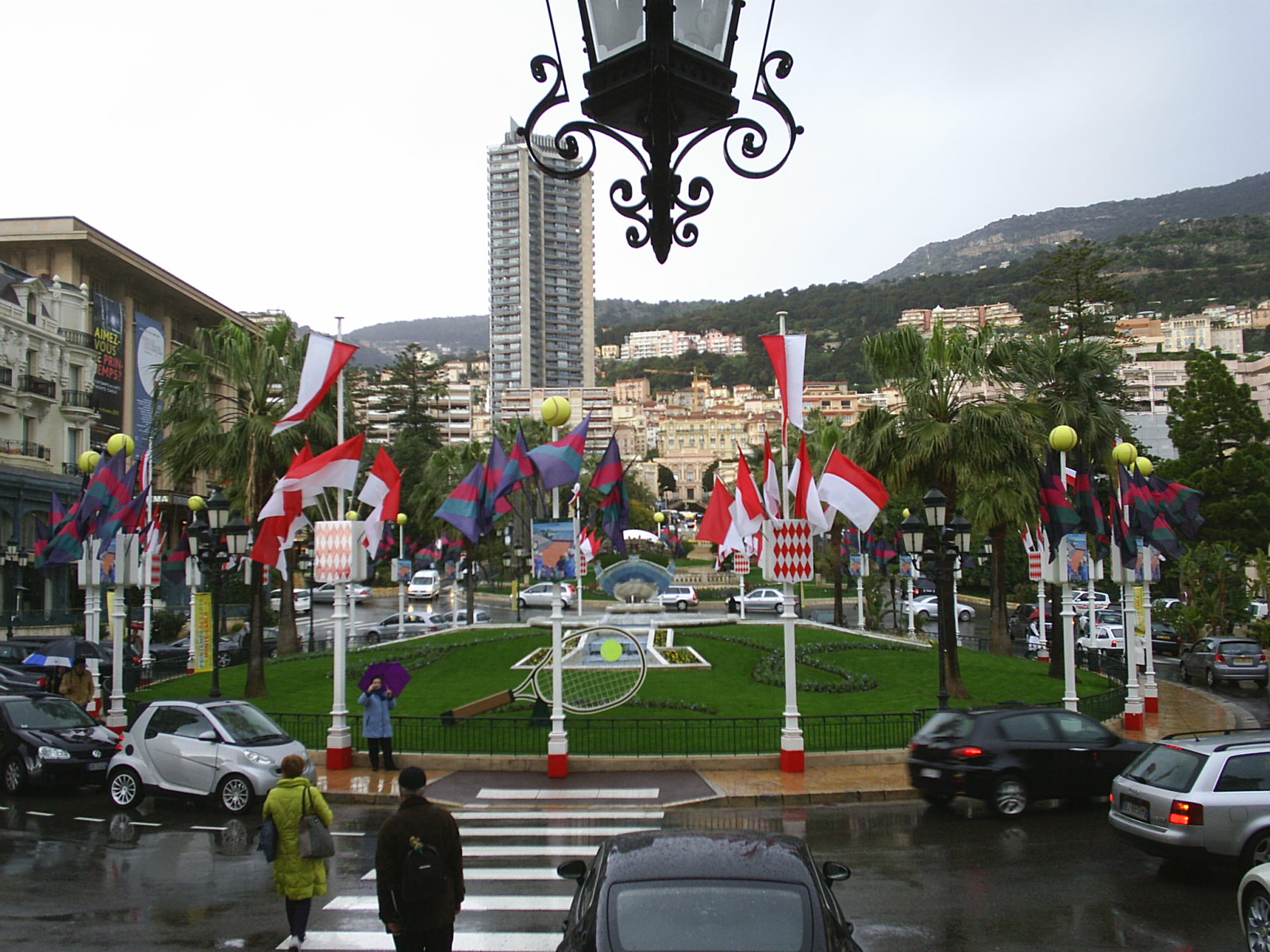
Time Point 1 · YEAR_2010.
Earlier documented configuration of Place du Casino used as the initial
reference point for the longitudinal comparison.
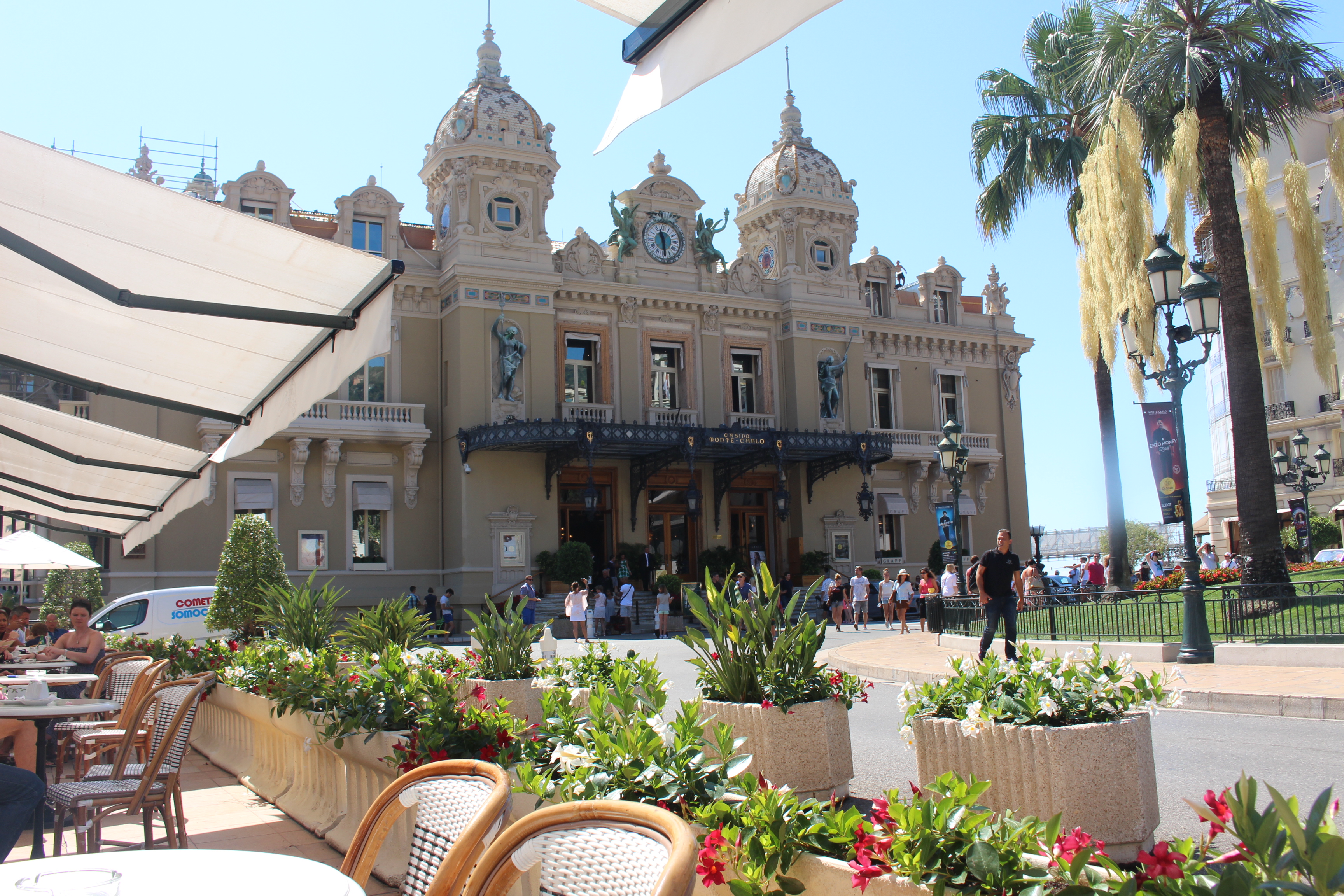
Time Point 2 · YEAR_2015.
A later observation allows comparison of persistent spatial elements
and visible changes within the plaza.
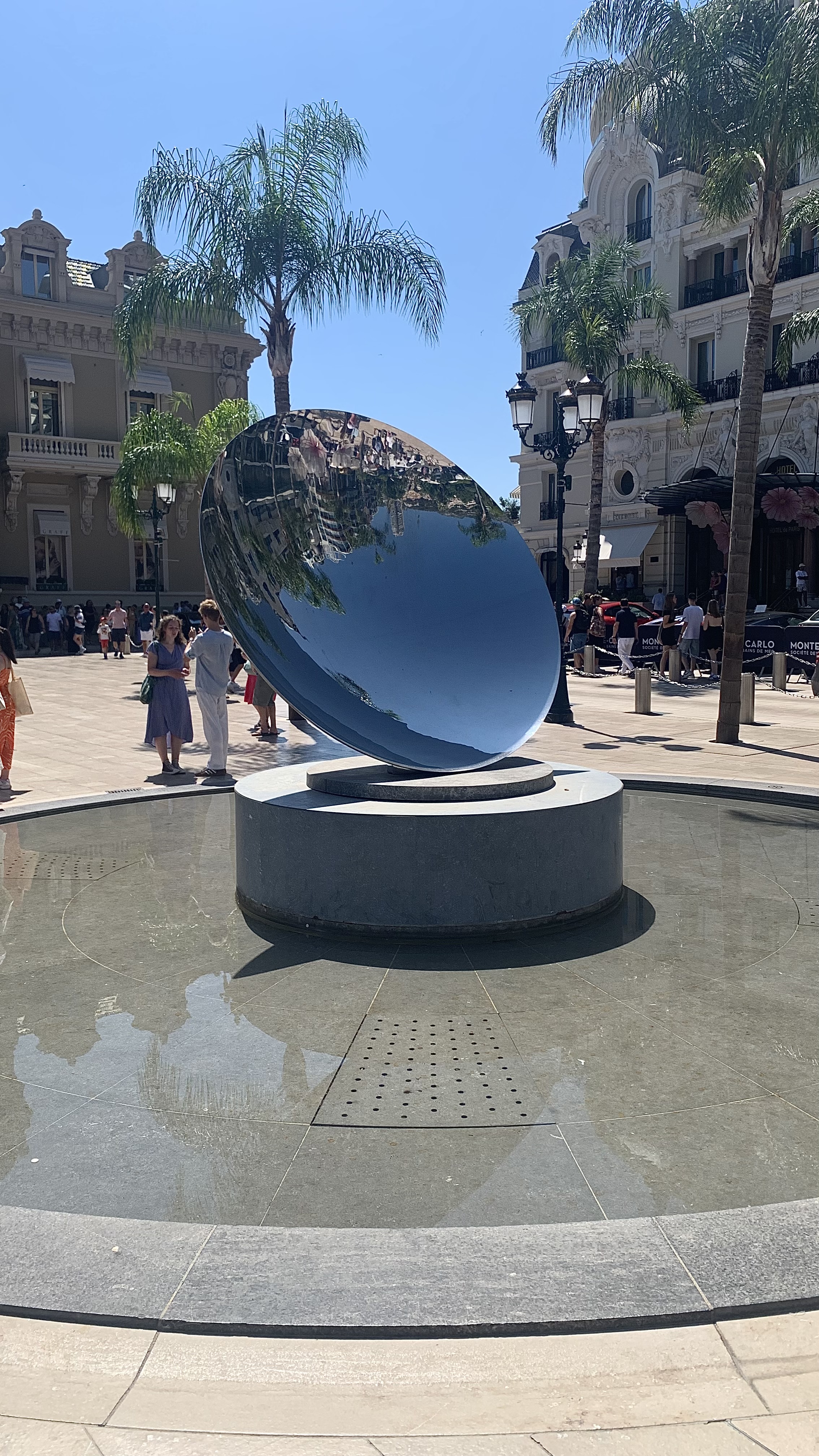
Time Point 3 · 2025.
The third temporal record provides an additional comparison
between stable features and changing configurations.
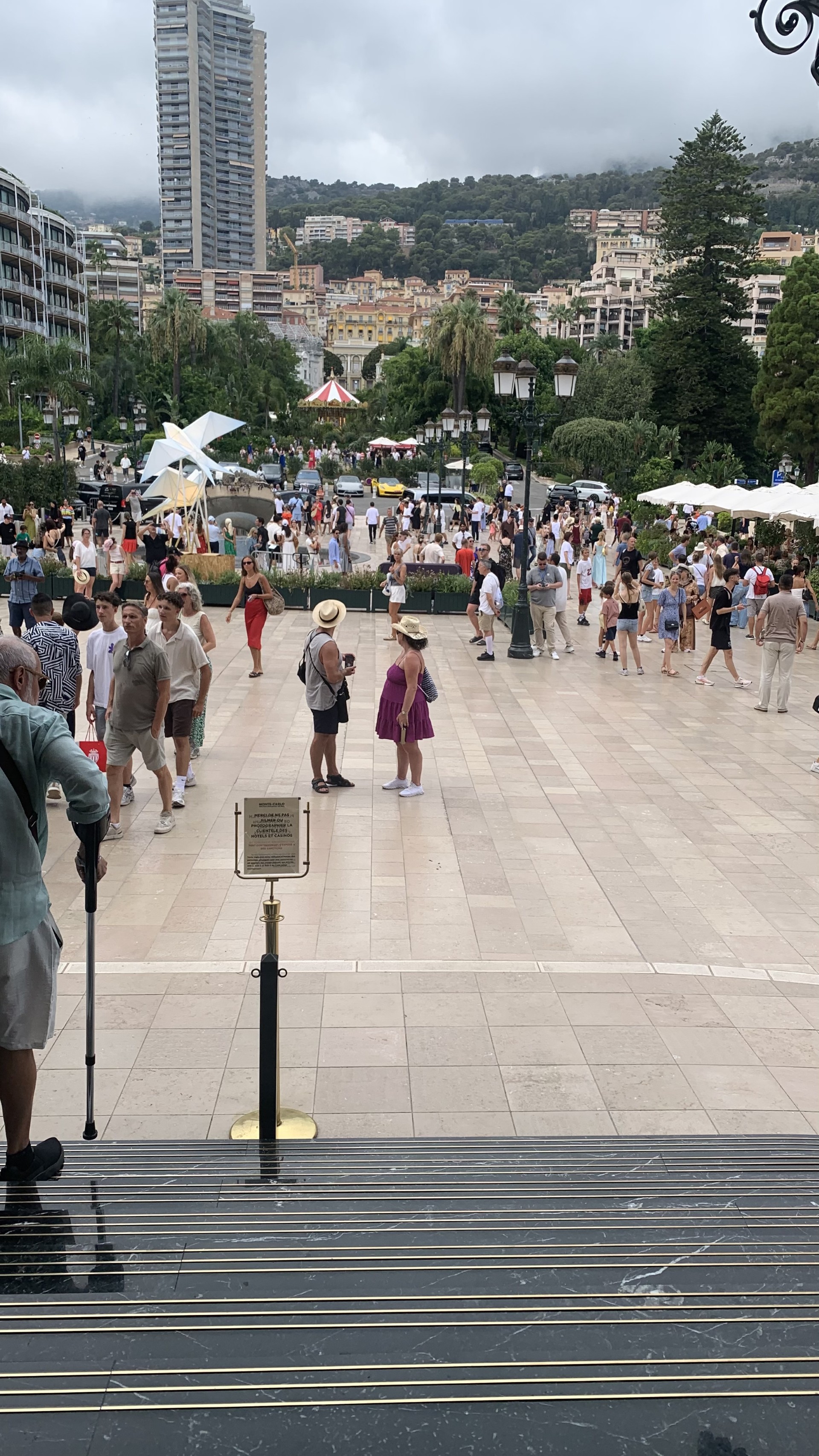
Time Point 4 · YEAR_2026.
The most recent observation provides the final temporal reference
for examining continuity and transformation within the documented sequence.
04
Visual Continuity
Longitudinal comparison helps identify the components that remain recognisable across the different records.
Continuity may be observed in features such as:
architectural landmarks · spatial orientation · major façades · principal circulation relationships · overall urban composition
The persistence of these features provides a visual reference that allows Place du Casino to be recognised as the same setting despite changes recorded between observations.
In this sense, continuity does not mean an absence of change. A landscape may retain its main visual structure while undergoing material, functional, or temporary modifications.
05
Visual Transformation
Alongside relatively stable features, the images may show components whose appearance, position, or presence differs across the observed periods.
Features that may be compared include:
street furniture · planting · vehicles · commercial arrangements · temporary installations · pedestrian configurations · access elements · surface treatments
The significance of these changes depends on what can be documented directly in the photographs.
A visible difference between two records establishes variation between the observed moments, but does not, on its own, establish the precise duration of the change or the reasons behind it.
06
Temporary and Persistent Change
Comparing several points in time makes it possible to distinguish between temporary transformation and persistent transformation.
A feature visible in only one photograph may reflect a temporary configuration, such as an event, a seasonal installation, a short-term intervention, or an incidental use.
Conversely, a modification that reappears in several later observations may indicate a longer-lasting transformation.
The sequence can be represented conceptually as:
baseline → variation → persistence / disappearance → later configuration
Such an interpretation should be made only when the documented sequence provides adequate support.
07
Tourism Interpretation
Place du Casino is simultaneously an urban, tourist, and visual space.
For visitors, the square is not experienced as a fixed image. Its appearance depends on the timing of the visit, the temporary arrangements in place, and the elements occupying the space at that moment.
Longitudinal comparison therefore suggests that the visual experience of the same tourist attraction may vary even when its principal architectural landmarks remain recognisable.
From this perspective:
same landmark ≠ identical tourist landscape
The stability of a place and the variability of its configuration can coexist within the experience of a single destination.
08
Research Relevance
Longitudinal analysis extends visual research beyond observation at a single point in time.
Comparing records obtained in different years helps distinguish relatively permanent characteristics, temporary variations, and changes that recur or persist.
This approach is particularly relevant to frequently photographed tourist spaces, because it avoids treating the landscape captured in one photograph as a permanent configuration.
Monaco Through Time thus adds temporal depth to the Monaco Visual Observatory.
09
Interpretative Limits
The four photographs constitute discrete observations at particular moments. They do not provide a continuous record of the evolution of Place du Casino.
This Monaco Through Time study does not claim that:
- the four images document every change that occurred between the observed moments;
- a visible difference automatically establishes when a transformation occurred;
- a feature absent from one photograph was necessarily removed permanently;
- a feature visible in several photographs remained in place without interruption throughout the entire period;
- the observed variations alone establish the reasons for the changes;
- the four records provide an exhaustive account of the historical evolution of Place du Casino.
The sequence makes it possible to compare documented visual states at specific points in time.
Different image ≠ continuous change record.
Absence ≠ permanent removal.
Persistence across observations ≠ uninterrupted permanence.
Visual change ≠ demonstrated cause.
10
Archive Provenance & Temporal Traceability
The photographs used in this Monaco Through Time study come from the Monaco Visual Fieldwork Archive (MVFA).
Longitudinal comparison depends particularly on retaining temporal and spatial information:
visual asset → date → location → temporal observation → comparative interpretation
Depending on their archival history, the assets may come from either the VAM–SECP Analytical Corpus or the Broader Visual Fieldwork Collection.
Using a photograph on this page does not automatically mean that it forms part of a VAM or SECP assessment.
11
MVFA Documentation
The structure, scope, and traceability principles of the Monaco Visual Fieldwork Archive are formally documented in:
MVFA — Broader Visual Fieldwork Collection: Scope and Documentation
Open the MVFA Broader Visual Fieldwork Collection Documentation →
OSF Research Repository:
Monaco Research Observatory — Visual Research Repository
12
Methodological Status
| Visual research format | Monaco Through Time |
| Record ID | MTT-001 |
| Evidence type | Longitudinal fieldwork photography |
| Number of images | 4 |
| Temporal observations | 4 |
| Spatial focus | Place du Casino |
| Source archive | Monaco Visual Fieldwork Archive · MVFA |
| Research approach | Longitudinal comparative visual observation |
| VAM assessment in this MTT | No |
| SECP assessment in this MTT | No |
| Representativeness | Purposive temporal comparison · Not a continuous historical record |
13
Related Visual Research
Monaco Visual Observatory
Monaco Through Time uses records captured at different moments to study continuity, change, and visual evolution.
Explore the Monaco Visual Observatory →
Monaco Visual Fieldwork Archive · MVFA
The MVFA provides the archival infrastructure needed to link images to their spatial and temporal contexts.
Explore the Monaco Visual Fieldwork Archive →
Visual Research
Visual Research brings together archival materials, visual observation, and longitudinal analysis within the Monaco Research Observatory.
MTT-001 · Place du Casino Through Time
Monaco Visual Observatory · Monaco Research Observatory
Visual Source:
Monaco Visual Fieldwork Archive · MVFA
Archive Documentation:
MVFA — Broader Visual Fieldwork Collection: Scope and Documentation

