ES EN
Spatial research area dedicated to the study of tourism, luxury landscapes, tourist observation and the relationships between architecture, hospitality, retail, mobility and public space.
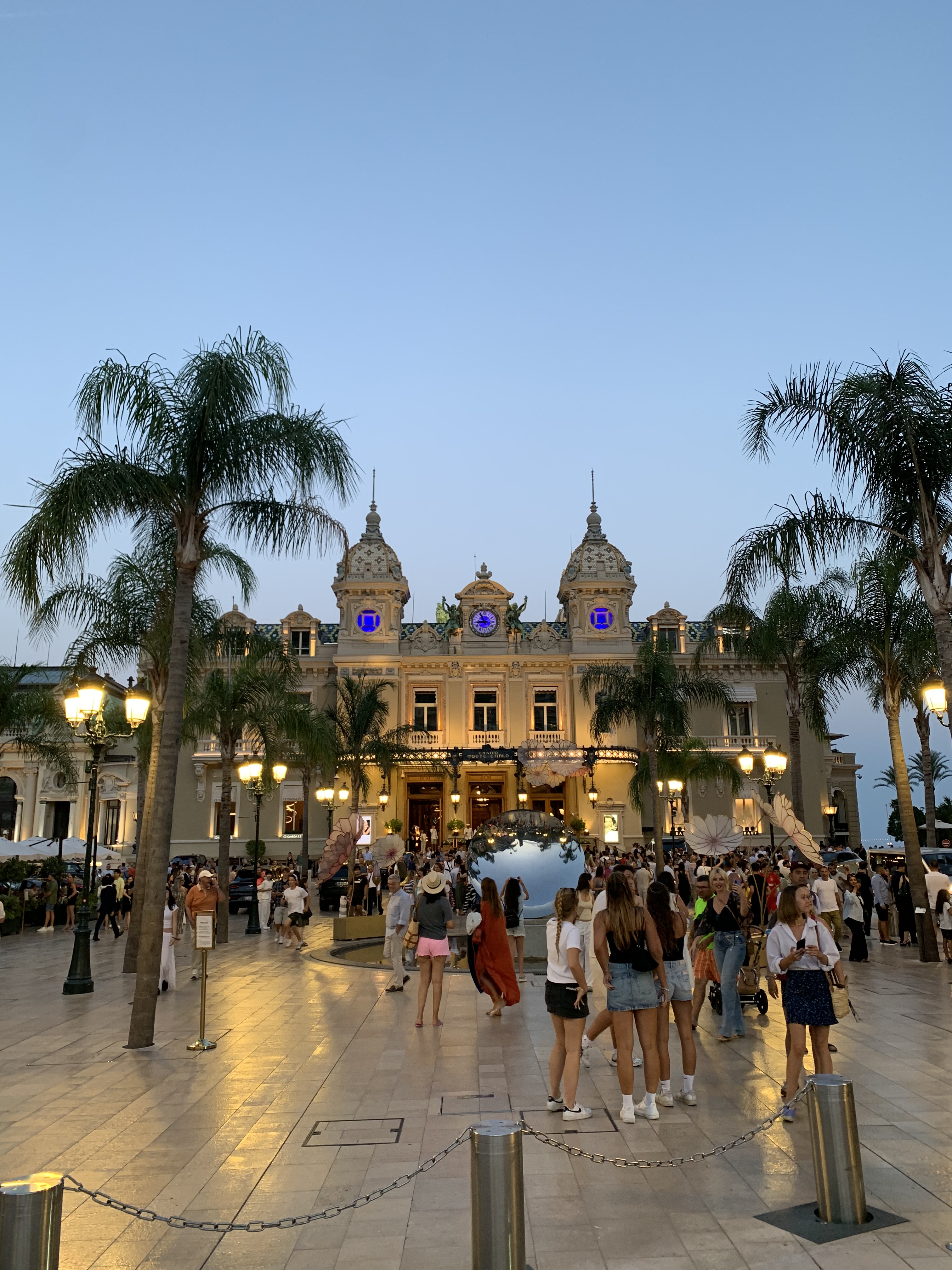
Location: Place du Casino · Monte-Carlo
Visual source: Monaco Visual Fieldwork Archive (MVFA)
Fieldwork: 2017–2026
Photography: © Xavier Reinaldo-Virgili
Description: Longitudinal view of Place du Casino, with the Casino de Monte-Carlo as an architectural landmark in the background. The composition makes it possible to observe spatial continuity between the square, circulation, architecture and places to linger.
Research use: Spatial context · ceremonial space · visual axis · tourist landscape
Research Area A spatial field of tourism, luxury and urban observation
Place du Casino and the surrounding Carré d’Or constitute one of the principal observation areas of the Monaco Research Observatory. The concentration of monumental architecture, hotels, boutiques, gardens, restaurants, high-end vehicles and circulation spaces creates a particularly dense tourist landscape.
The new audiovisual collection makes it possible to document the area not as a static architectural composition, but as a tourist space in operation. Pedestrians, visitors, vehicles, hotel entrances, queues, commercial routes and other movements continually pass through a setting in which elements associated with luxury remain visually accessible.
The research can therefore examine the relationship between movement, observation, architecture, hospitality, retail, high-value mobility and public space without equating visibility with access, use or consumption.
01 · Research Area Profile Research context
| Research Area | Place du Casino & Carré d’Or |
|---|---|
| Area Code | CD |
| Fieldwork Period | 2017–2026 |
| Evidence | 3 Photographs · 10 Video Observations · Spatial Observation |
| Primary Research Themes | Luxury Landscapes · Tourist Circulation · Hospitality · Luxury Retail · High-Value Mobility · Visual Culture · Public Space · Tourist Observation |
| Visual Archive | Monaco Visual Fieldwork Archive (MVFA) · 2017–2026 |
02 · Research Perimeter Spatial scope
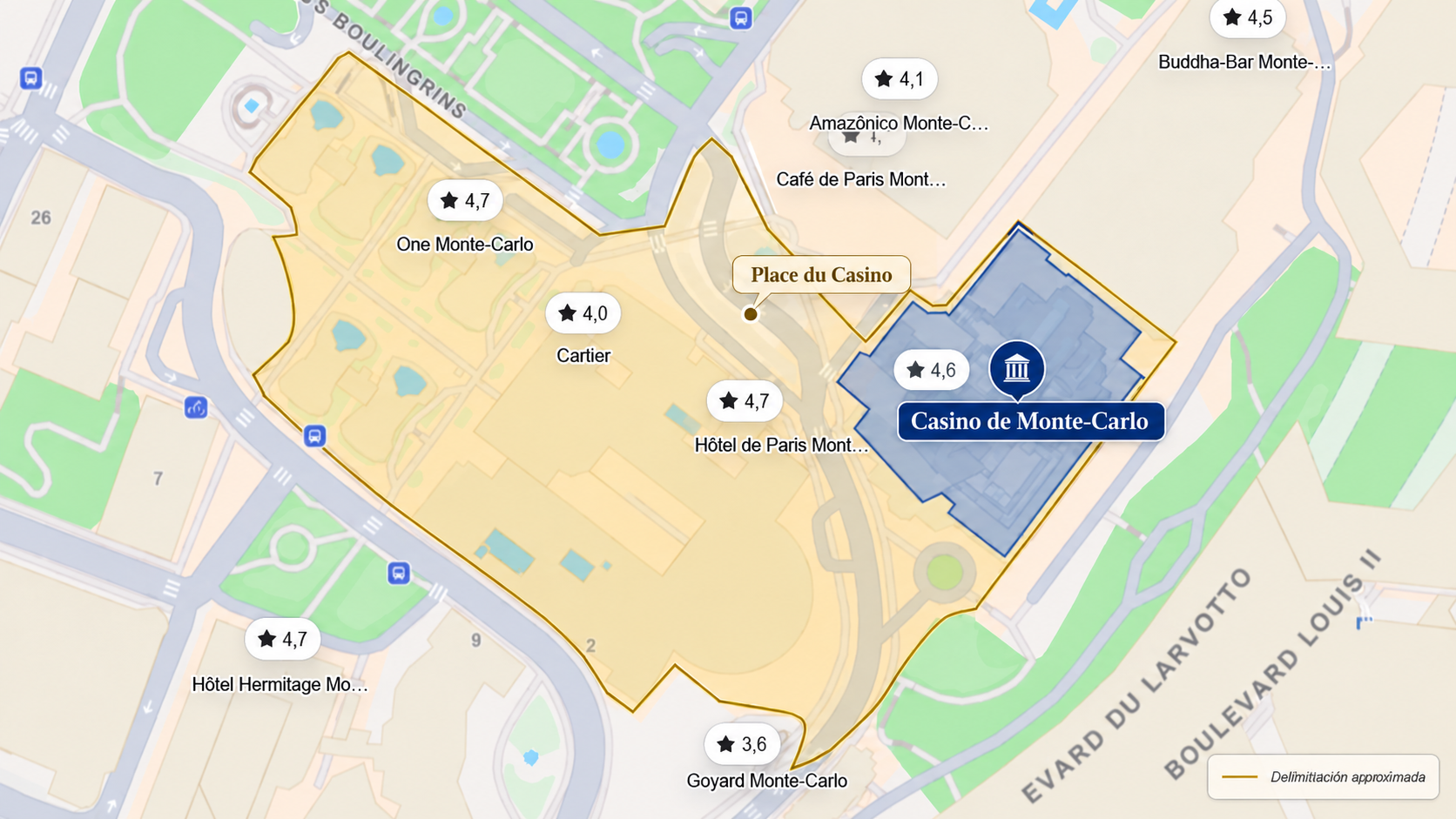
The boundaries used by the Monaco Research Observatory organise observations made in Place du Casino and its immediate surroundings within the Carré d’Or.
They are not intended to establish an administrative or official boundary, but to provide a spatial framework for relating architecture, circulation, hospitality, retail, gardens, mobility and observable tourist behaviours.
03 · Approach & Urban Connections Entering Place du Casino
The experience of the area begins before physically reaching the centre of Place du Casino. Avenue de Monte-Carlo is one of the routes from which the square progressively comes into view.
Movement along the route also reveals visual connections with other parts of Monaco, including the opening towards Port Hercule. The approach therefore constitutes an urban sequence rather than merely a point of entry.
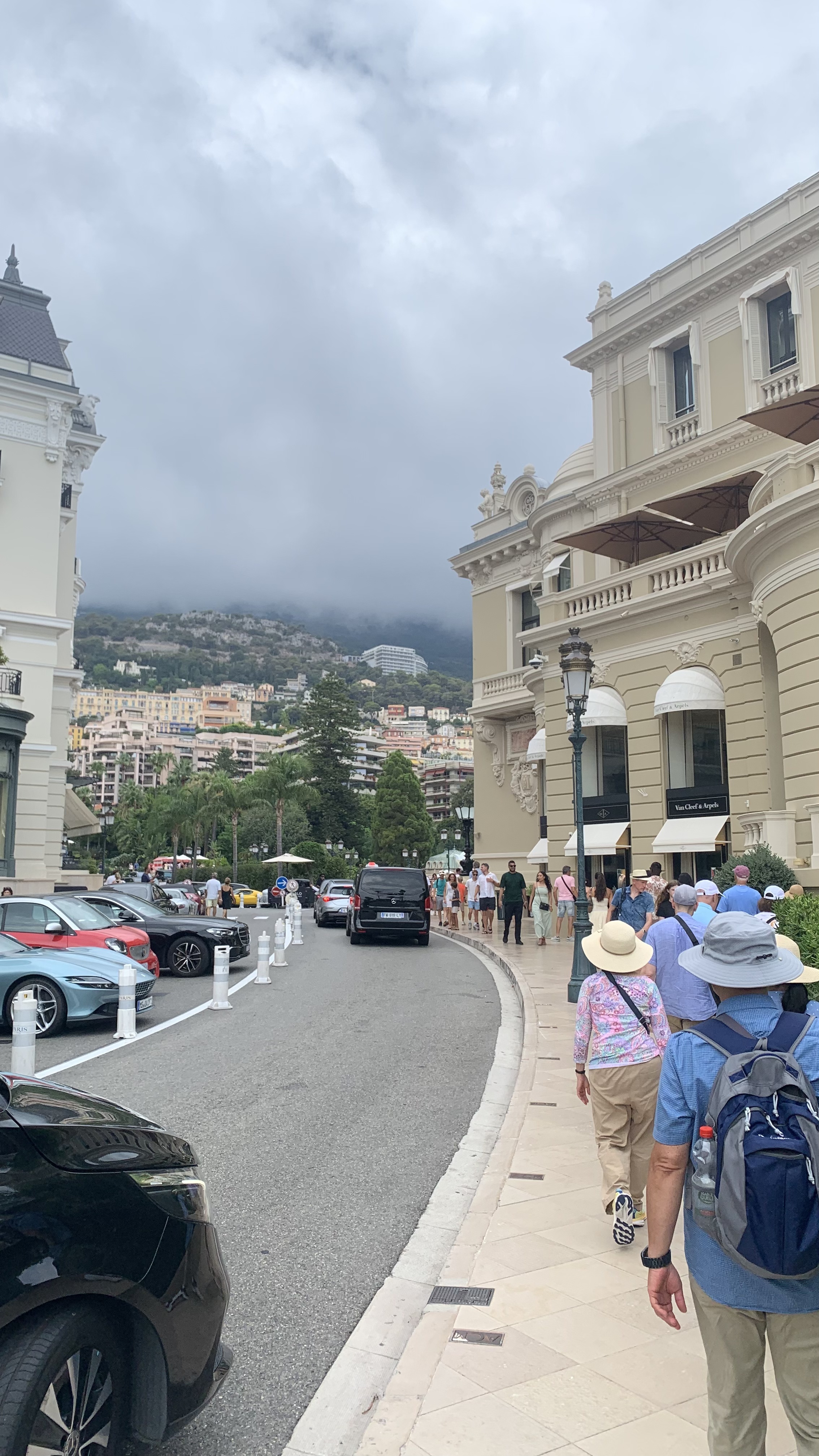
Location: Avenue de Monte-Carlo · Place du Casino
Visual source: Monaco Visual Fieldwork Archive (MVFA)
Fieldwork: 2017–2026
Photography: © Xavier Reinaldo-Virgili
Description: Pedestrian access to Place du Casino from Avenue de Monte-Carlo, documenting the transition between an urban route and entry into the central space of the square.
Research use: Pedestrian access · spatial transition · approach · orientation
Location: Avenue de Monte-Carlo
Visual source: Monaco Visual Fieldwork Archive (MVFA)
Fieldwork: 2017–2026
Video Fieldwork: © Xavier Reinaldo-Virgili
Description: Route along Avenue de Monte-Carlo documenting the street’s role as a circulation space and an approach to Place du Casino.
Research use: Urban route · pedestrian movement · spatial approach · connectivity
Location: Avenue de Monte-Carlo · Place du Casino
Visual source: Monaco Visual Fieldwork Archive (MVFA)
Fieldwork: 2017–2026
Video Fieldwork: © Xavier Reinaldo-Virgili
Description: Route connecting Avenue de Monte-Carlo, access to Place du Casino and visual openings towards Port Hercule. The recording shows how different parts of the city can be connected through movement and the visual field.
Research use: Urban connectivity · visual field · route sequence · Place du Casino · Port Hercule
04 · Place du Casino in Motion Pedestrians, vehicles and circulation
Place du Casino functions simultaneously as a space for observation, pedestrian circulation and vehicular movement.
This coexistence becomes especially visible when high-end vehicles move through a space simultaneously occupied by people walking, lingering, observing or taking photographs.
Location: Place du Casino
Visual source: Monaco Visual Fieldwork Archive (MVFA)
Fieldwork: 2017–2026
Video Fieldwork: © Xavier Reinaldo-Virgili
Description: Route through Place du Casino in which pedestrian circulation and the movement of high-end vehicles occur simultaneously within the same tourist space.
Research use: Pedestrian circulation · high-value mobility · shared space · luxury landscape
Location: Place du Casino
Visual source: Monaco Visual Fieldwork Archive (MVFA)
Fieldwork: 2017–2026
Video Fieldwork: © Xavier Reinaldo-Virgili
Description: Recording of visitor circulation and movement within Place du Casino, showing the dynamic use of the square as a space for passage, observation and lingering.
Research use: Tourist movement · public space · circulation · spatial behaviour
Location: Place du Casino
Visual source: Monaco Visual Fieldwork Archive (MVFA)
Fieldwork: 2017–2026
Video Fieldwork: © Xavier Reinaldo-Virgili
Description: A 360-degree visual survey recording the simultaneous relationship between architecture, open space, mobility, hotels, terraces and other visible components of Place du Casino.
Research use: Spatial composition · visual field · environmental context · place reading
Spatial coexistence does not imply that pedestrians and vehicles perform the same function, but makes it possible to study how both participate simultaneously in the observed landscape.
05 · Architecture & Symbolic Landscape Monumental façades within the tourist field
Architecture is one of the most stable and recognisable components of the Place du Casino landscape.
The Casino, Opéra and major hotels function simultaneously as buildings with specific uses and as features visible to people moving through the space.
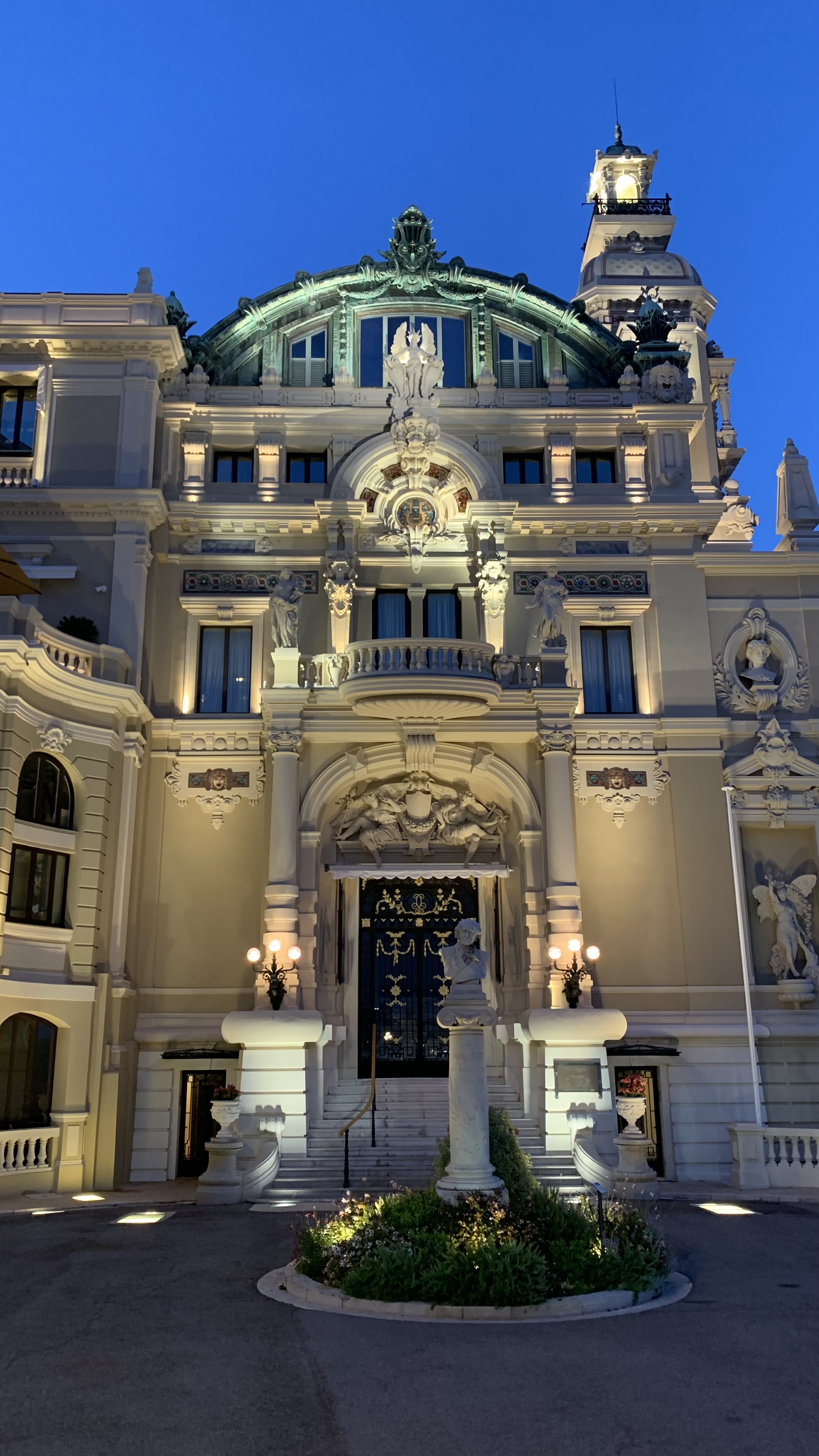
Location: Place du Casino · Monte-Carlo
Visual source: Monaco Visual Fieldwork Archive (MVFA)
Fieldwork: 2017–2026
Photography: © Xavier Reinaldo-Virgili
Description: View of the Opéra de Monte-Carlo, part of the monumental Casino de Monte-Carlo complex and visible from the surrounding tourist space.
Research use: Monumental architecture · cultural landscape · destination imagery · visual tourism
06 · Hospitality Landscape Hotels, gardens and tourist presence
Hotel infrastructure is a particularly visible part of the Carré d’Or. The façades and entrances of historic establishments can become part of the visual experience even for people who are not staying there.
Gardens, approaches and terraces also introduce intermediate zones between establishments, streets and public space.
Location: Place du Casino
Visual source: Monaco Visual Fieldwork Archive (MVFA)
Fieldwork: 2017–2026
Video Fieldwork: © Xavier Reinaldo-Virgili
Description: Audiovisual recording of Hôtel de Paris in the Place du Casino landscape, documenting its architectural presence and direct relationship with the square’s public space.
Research use: Luxury hospitality · architecture · landmark visibility · tourist landscape
Location: Carré d’Or · Hôtel Hermitage Monte-Carlo
Visual source: Monaco Visual Fieldwork Archive (MVFA)
Fieldwork: 2017–2026
Video Fieldwork: © Xavier Reinaldo-Virgili
Description: Route through the garden area in front of Hôtel Hermitage, with the hotel visible in the background. The recording shows the relationship between vegetation, the urban route and hotel architecture.
Research use: Hospitality landscape · gardens · visual composition · pedestrian environment
Location: Café de Paris Monte-Carlo · Place du Casino
Visual source: Monaco Visual Fieldwork Archive (MVFA)
Fieldwork: 2017–2026
Video Fieldwork: © Xavier Reinaldo-Virgili
Description: People queueing to enter Café de Paris. The recording documents a temporary, observable concentration associated with access to a restaurant in the area.
Research use: Hospitality demand · waiting · access · tourist concentration · spatial behaviour
The queue documents waiting and concentration at an entrance, but does not automatically establish the individual reasons why each person wishes to enter.
07 · Luxury Retail & One Monte-Carlo Commercial visibility within the tourist landscape
Boutiques, commercial façades and contemporary developments form part of the Carré d’Or’s visual landscape even where visitors neither enter establishments nor make purchases.
The setting reveals continuity between architecture, pedestrian space, luxury brands and tourist movement.
Location: One Monte-Carlo · Carré d’Or
Visual source: Monaco Visual Fieldwork Archive (MVFA)
Fieldwork: 2017–2026
Video Fieldwork: © Xavier Reinaldo-Virgili
Description: Recording of One Monte-Carlo as a contemporary component of the Carré d’Or, bringing together architecture, pedestrian circulation and spaces associated with luxury retail.
Research use: Contemporary luxury landscape · retail environment · architecture · pedestrian circulation
Location: Place du Casino · Carré d’Or
Visual source: Monaco Visual Fieldwork Archive (MVFA)
Fieldwork: 2017–2026
Video Fieldwork: © Xavier Reinaldo-Virgili
Description: Route past the luxury boutiques beside the Casino de Monte-Carlo, showing their integration into the square’s pedestrian space and tourist landscape.
Research use: Luxury retail · branded environment · visual exposure · pedestrian tourism
08 · Comparative Reading Layers of the luxury-tourism landscape
The thirteen items allow several overlapping components to be distinguished within a very small territorial area.
| Research Layer | Observed Material | Research Relevance |
|---|---|---|
| Public Realm | Place du Casino · pedestrian circulation · stopping | Movement · observation · spatial use |
| High-Value Mobility | Vehicle circulation through the plaza | Luxury visibility · mobile objects · tourist landscape |
| Luxury Hospitality | Hôtel de Paris · Hôtel Hermitage · Café de Paris | Hotel landscape · access · waiting · landmark visibility |
| Luxury Retail | Boutiques · One Monte-Carlo | Commercial exposure · pedestrian environment |
| Monumental Architecture | Casino · Opéra · hotel façades | Destination identity · visual landmarks |
| Urban Connections | Avenue de Monte-Carlo · approaches · visual links to Port Hercule | Orientation · spatial sequence · connectivity |
09 · Tourism in the Visual Field Observed visitor-space relations
The collection records circulation, waiting, movement, approach, lingering and visual exposure to different components of the tourist landscape.
The material also shows that luxury experiences can unfold at different levels. A visitor may cross Place du Casino, observe a hotel, walk past a boutique or share the space with high-end vehicles without necessarily using any of those services or goods.
Visibility ≠ access ≠ use ≠ purchase ≠ ownership.
Presence in a luxury landscape ≠ demonstrated luxury consumption.
High-value mobility ≠ demonstrated social meaning.
10 · Place as Sequence From approach to visual participation
The audiovisual records allow Place du Casino to be interpreted as a sequence of spatial and visual relationships.
This sequence is neither a compulsory itinerary nor a customer journey. It simply represents different situations that can be documented during the area’s spatial experience.
Repeated Fieldwork · 2017–2026
The photographs and video observations presented on this page come from the Monaco Visual Fieldwork Archive (MVFA), developed through repeated fieldwork in Monaco between 2017 and 2026 by Xavier Reinaldo-Virgili.
The thirteen selected items document access points, pedestrian circulation, vehicular movement, monumental architecture, hospitality, restaurants, gardens, luxury retail and changes in the visual field during movement through the area.
The selection provides contextualised visual evidence. It does not constitute exhaustive coverage of the Carré d’Or or a statistically representative sample of all visitors, activities or spatial configurations in the area.
© Xavier Reinaldo-Virgili · Monaco Visual Fieldwork Archive (MVFA) · 2017–2026
12 · Research Dimensions Research beyond a single analytical framework
|
Tourism Circulation, observation, lingering, photography and spatial experience. |
|
Luxury Landscapes Visibility of hotels, boutiques, vehicles, architecture and spaces associated with luxury. |
|
Hospitality Hotels, restaurants, entrances, waiting and relationships between infrastructure and urban space. |
|
Luxury Retail Boutiques, One Monte-Carlo and commercial exposure along tourist routes. |
|
Urban Space & Mobility Pedestrian circulation, vehicles, access points, approaches and urban connections. |
|
Architecture & Visual Culture Casino, Opéra, hotel façades and the visual construction of the destination landscape. |
|
Temporal & Sequential Observation Changes in the visual field produced through movement and audiovisual observation. |
13 · Research Connections Related research
|
Visual Note
VN-001Small Boundaries, Visible Differences |
Monaco Through Time
MTT-001Place du Casino Through Time |
|
Research Note
Looking Without BuyingVisual Participation in Luxury Tourism |
Visual Research
Monaco Visual ObservatoryLuxury Landscapes · Tourist Observation · Visual Behaviour |
Place du Casino & Carré d’Or as a tourism research area
The new audiovisual corpus reinforces the interpretation of Place du Casino and the Carré d’Or as a tourist landscape made up of multiple layers operating simultaneously.
Monumental architecture, hotels, boutiques, gardens, restaurants, pedestrians and high-end vehicles share a space in which visibility is central to the experience.
The value of this Research Area lies in the ability to examine how these dimensions coexist without assuming that observation implies access, that access implies use, or that presence within a luxury landscape necessarily implies consumption.

