A visual study of the emblems, brands, materials, shop windows, artworks, symbols, spatial compositions and architectural devices through which Monaco makes identity, prestige, luxury, power and distinction visible.
Visual Iconography · Luxury Branding · Visual Consumption · Symbolic Capital · Brand Codes · Material Aesthetics · Atmospherics · Servicescape · Art Infusion · Visual Merchandising · Spatial Staging · Destination Imagery
Introduction Monaco as a Visual System
Monaco’s visual identity does not depend on a single monument, a particular brand or an isolated symbol. It is constructed through the accumulation and repetition of recognisable elements: coats of arms, logos, establishment names, marble, glass, polished metals, lighting, monumental staircases, artworks, window displays, palatial architecture and urban compositions.
This page examines that repertoire as visual iconography: a system of signs through which places, institutions, brands, activities and symbolic positions can be identified within the visual environment. The question is not only which objects are visible, but how they acquire the capacity to communicate meaning.
The iconological tradition associated with Panofsky (1939) makes it possible to distinguish the formal identification of what is observed from subsequent cultural interpretation. Complementarily, Barthes (1977) suggests that images do more than depict objects: they may activate systems of cultural connotation.
From another perspective, Gibson (1979) locates perception in the relationship between observer and environment. His concept of affordances helps distinguish what a material configuration makes possible—climbing, approaching, looking or crossing—from the social meanings subsequently attributed to those configurations.
01 · Theoretical Framework From Perception to Meaning
This page brings together perspectives from environmental perception, iconography, visual semiotics, the sociology of consumption, tourism research, marketing and the study of commercial environments.
| Perspective | Authors | Application |
|---|---|---|
| Environmental Perception | Gibson (1979) | Visual Information · Affordances · Observer–Environment Relation |
| Iconography and Signification | Panofsky (1939) · Barthes (1977) | Iconography · Denotation · Connotation · Symbolic Meaning |
| Built Environment | Hall (1966) · Rapoport (1982) | Spatial Communication · Environmental Cues · Built Environment |
| Social Distinction | Bourdieu (1984) | Distinction · Symbolic Capital · Taste |
| Commercial Environment | Kotler (1973) · Bitner (1992) | Atmospherics · Servicescape · Environmental Marketing |
| Branding | Keller (1993) · Aaker (1996) | Brand Awareness · Brand Associations · Brand Identity |
| Dynastic Architecture and Representation | Rapoport (1982) · Bourdieu (1984) · Kavaratzis (2004) | Architecture of Sovereignty · Symbolic Capital · Monumental Image |
| Visual Culture | Schroeder (2002) · Kress & van Leeuwen (2006) · Rose (2016) | Visual Consumption · Salience · Framing · Visual Methodology |
| Place Branding | Kavaratzis (2004) | Place Image · City Branding · Destination Identity |
| Art and Consumption | Hagtvedt & Patrick (2008) | Art Infusion · Luxury Perception · Aesthetic Spillover |
| Tourist Gaze | Urry & Larsen (2011) | Tourist Gaze · Photography · Visual Tourism |
| Luxury Branding | Kapferer & Bastien (2012) | Luxury Codes · Exclusivity · Brand Symbolism |
02 · Analytical Model Five Levels of Visual Analysis
Following the need to distinguish description from interpretation in visual studies, as discussed by Rose (2016), each record is analysed through a sequence that begins with what can actually be observed.
| Level | Question | Concept |
|---|---|---|
| 1 · Visible Form | What can be identified directly? | Denotative Reading |
| 2 · Perceptual Configuration | What position, materiality or composition structures perception? | Affordance · Salience · Framing |
| 3 · Coding | Which institution, brand or activity can be recognised? | Visual Coding · Brand Codes |
| 4 · Symbolic Association | What cultural meanings may be associated with the element? | Symbolic Association · Symbolic Capital |
| 5 · Visual Circulation | How can it be observed, photographed or reproduced? | Visual Consumption · Tourist Gaze · Image Circulation |
03 · Territorial and Institutional Iconography Heraldry, Heritage and Recognition
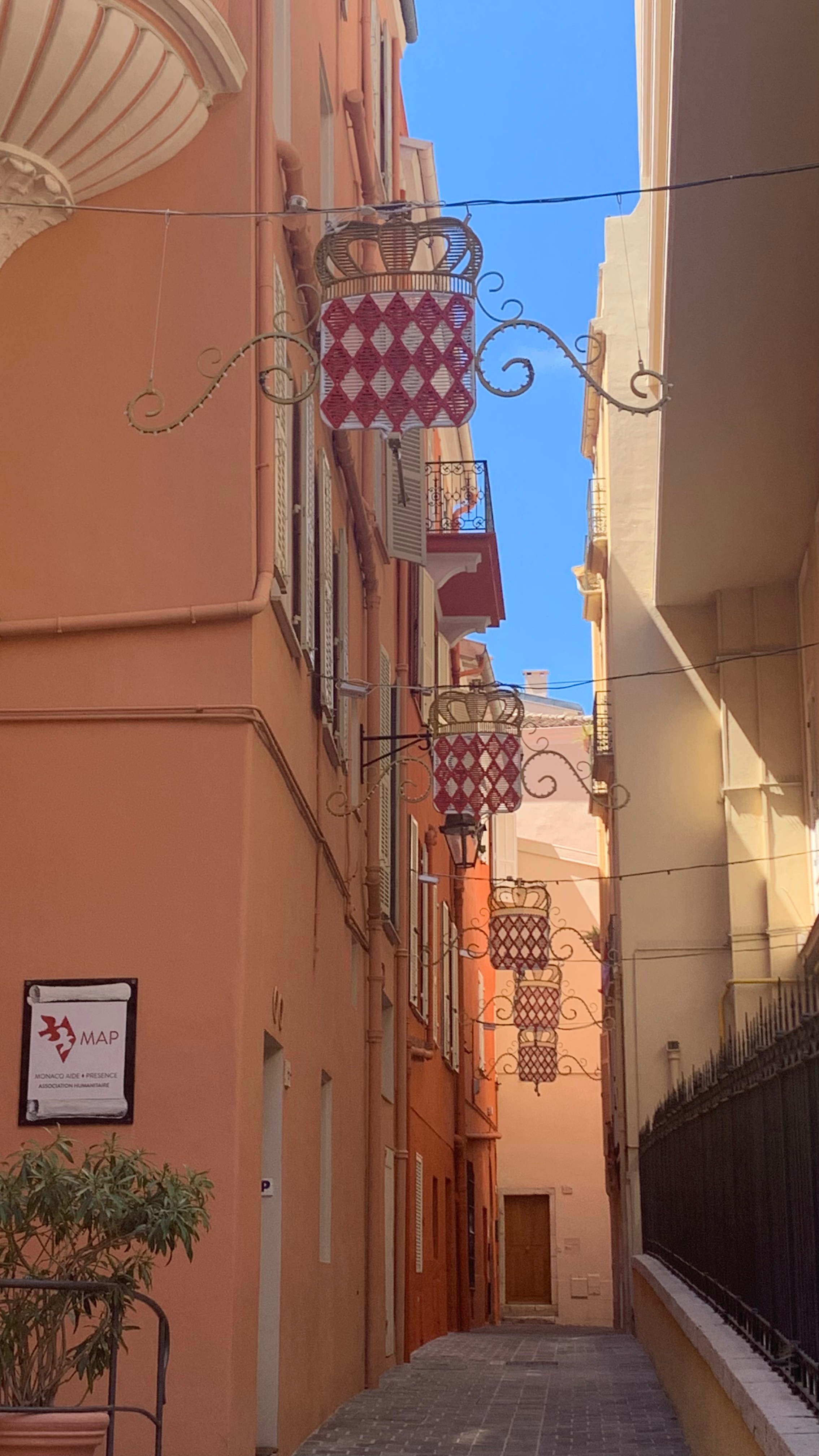
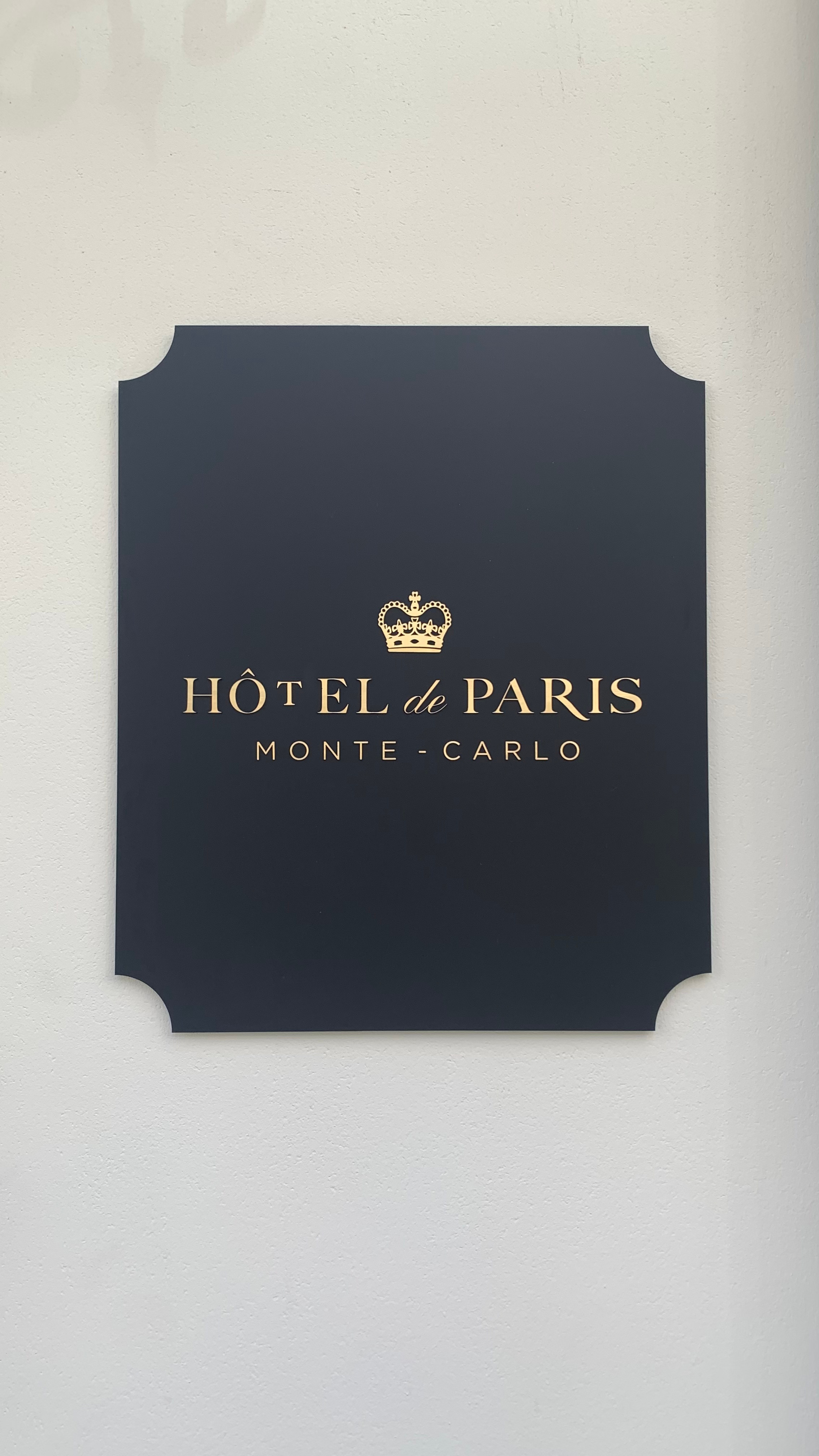
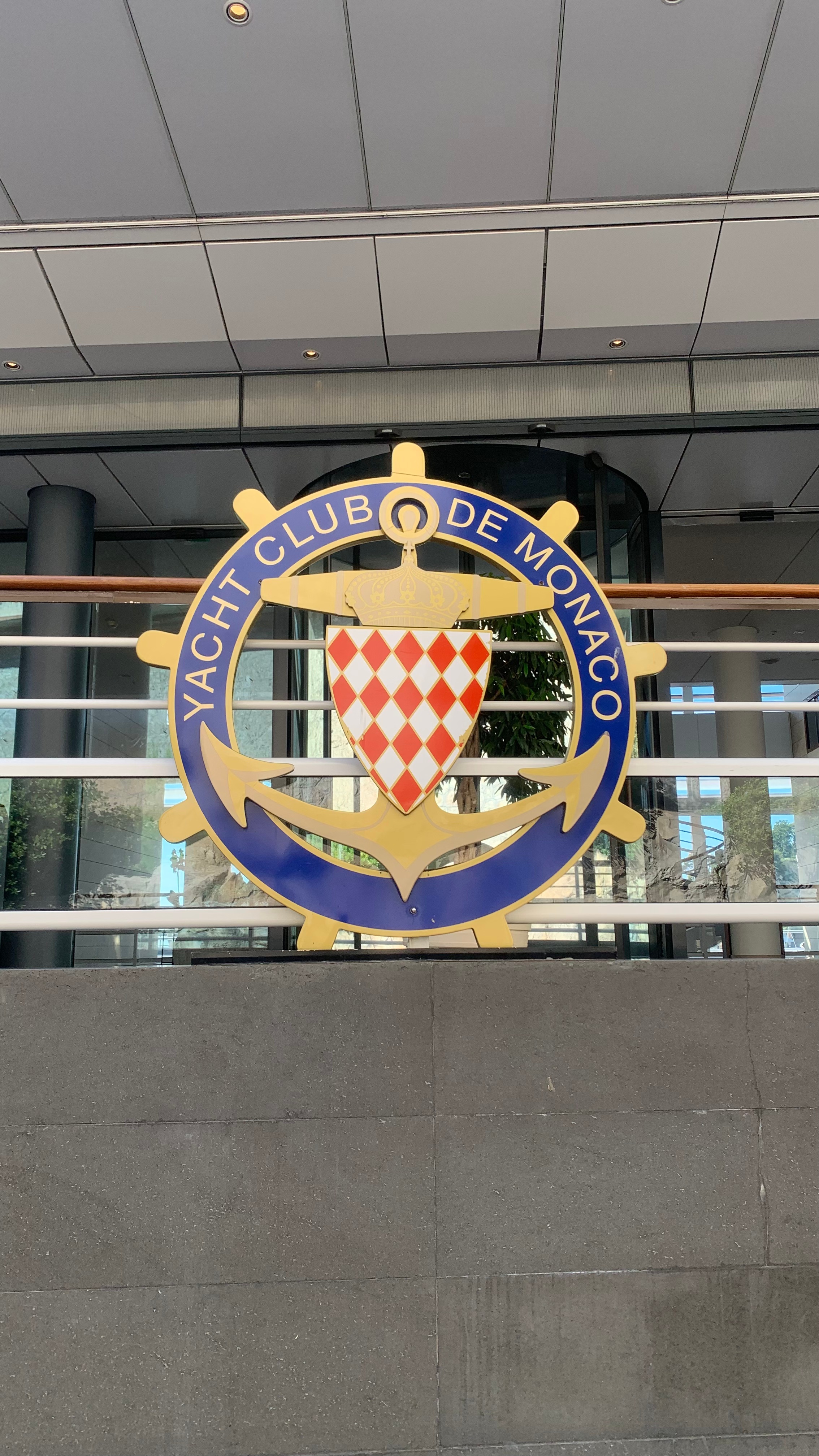
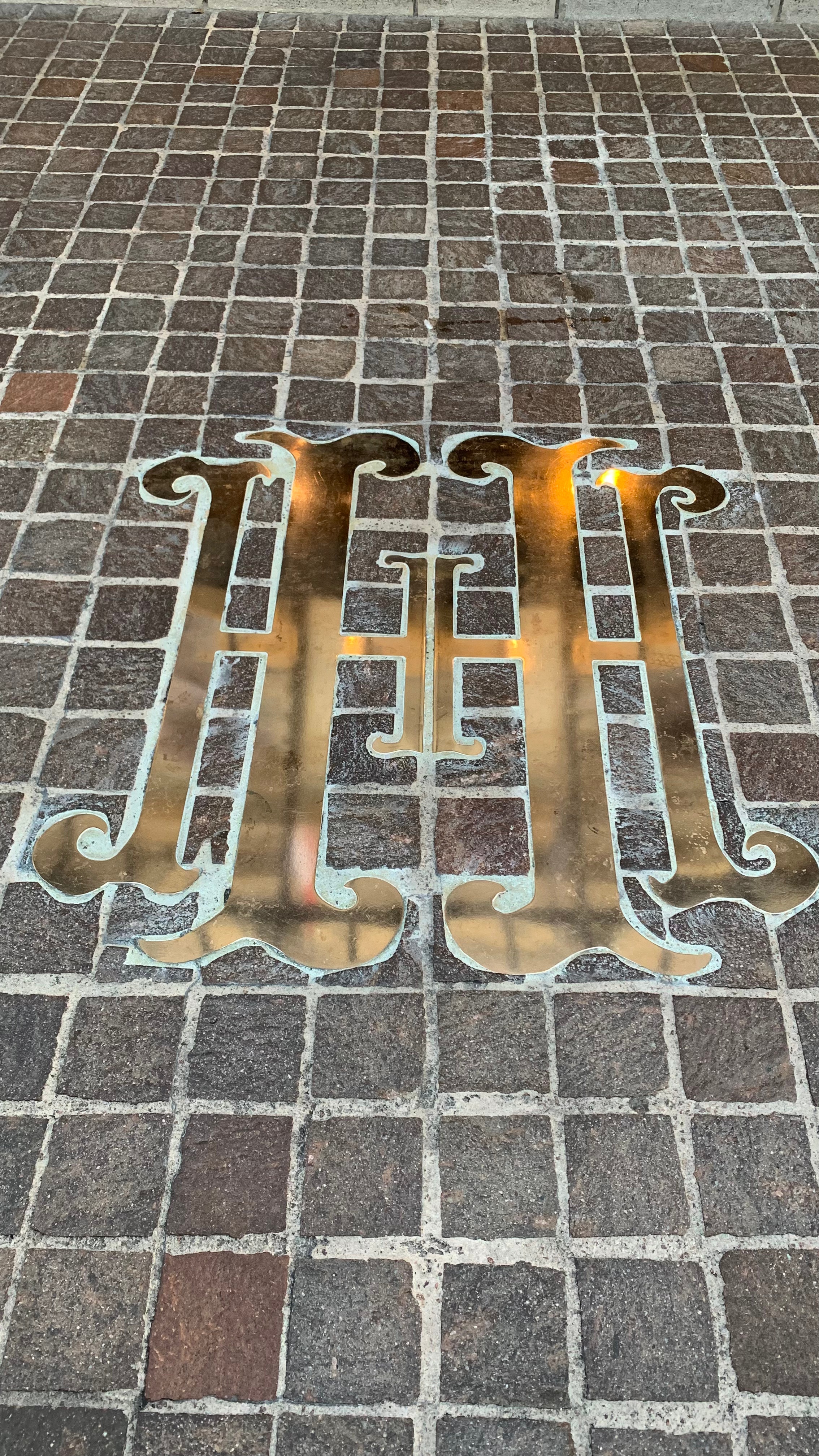
Panofsky (1939) provides a basis for recognising a visible motif before proceeding to its interpretation. In these records, the recurring motif is the emblem: coats of arms and institutional logos that visually condense an identity.
Rapoport (1982) showed how the built environment can function as a form of nonverbal communication. From this perspective, an emblem embedded in a wall, pavement or street is more than information added to a space: it becomes part of its communicative architecture.
© Xavier Reinaldo-Virgili · Monaco Visual Fieldwork Archive (MVFA) · 2017–2026
PHOTOGRAPH 01 · Urban Heraldry in Monaco-Ville |
© Xavier Reinaldo-Virgili · Monaco Visual Fieldwork Archive (MVFA) · 2017–2026
PHOTOGRAPH 02 · Hôtel de Paris Coat of Arms |
© Xavier Reinaldo-Virgili · Monaco Visual Fieldwork Archive (MVFA) · 2017–2026
PHOTOGRAPH 03 · Yacht Club de Monaco Coat of Arms |
© Xavier Reinaldo-Virgili · Monaco Visual Fieldwork Archive (MVFA) · 2017–2026
PHOTOGRAPH 04 · Hôtel Hermitage Logo Embedded in the Floor |
|
Video Observation 01
© Xavier Reinaldo-Virgili · Monaco Visual Fieldwork Archive (MVFA) · 2017–2026
VIDEO 01 · Hôtel Hermitage Emblem |
Video Observation 02
© Xavier Reinaldo-Virgili · Monaco Visual Fieldwork Archive (MVFA) · 2017–2026
VIDEO 02 · Monaco Coats of Arms in Monaco-Ville |
04 · Luxury Brands and Commercial Iconography Luxury Brand Codes in the Urban Environment
Keller’s (1993) theory of brand equity emphasises the importance of brand knowledge, recognition and associations, while Aaker (1996) identifies identity and associations as key assets in building strong brands.
In the luxury sector, Kapferer and Bastien (2012) particularly emphasise symbolism, differentiation and the control of brand codes. In Monte-Carlo, these luxury brand codes extend beyond the interiors of boutiques: they appear on marble, walls, window displays, urban signage and façades.
The result can be interpreted as a branded environment in which brands remain visible even to people who neither enter the establishment nor make a purchase.
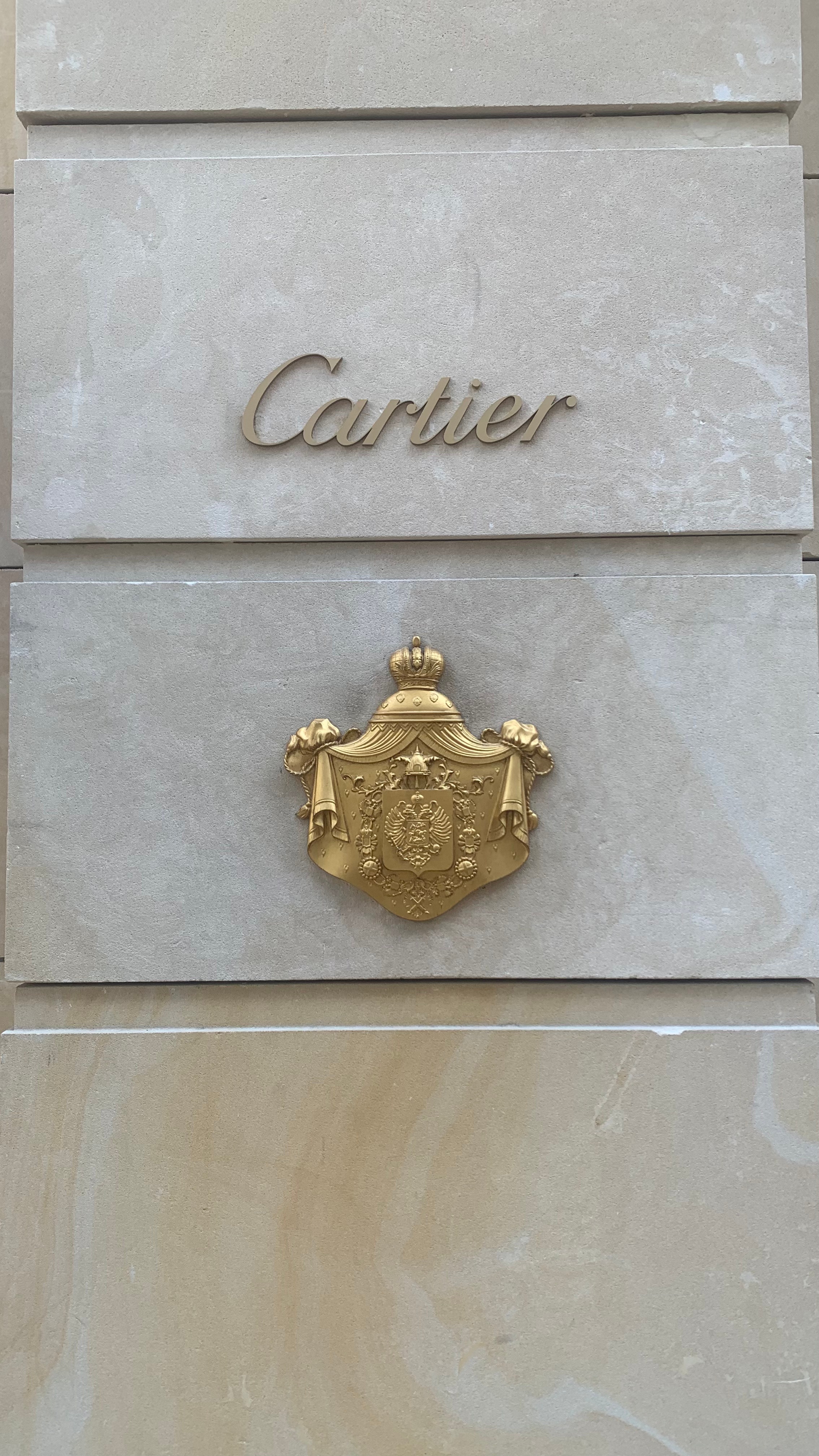
© Xavier Reinaldo-Virgili · Monaco Visual Fieldwork Archive (MVFA) · 2017–2026
PHOTOGRAPH 05 · Cartier Relief Emblem |
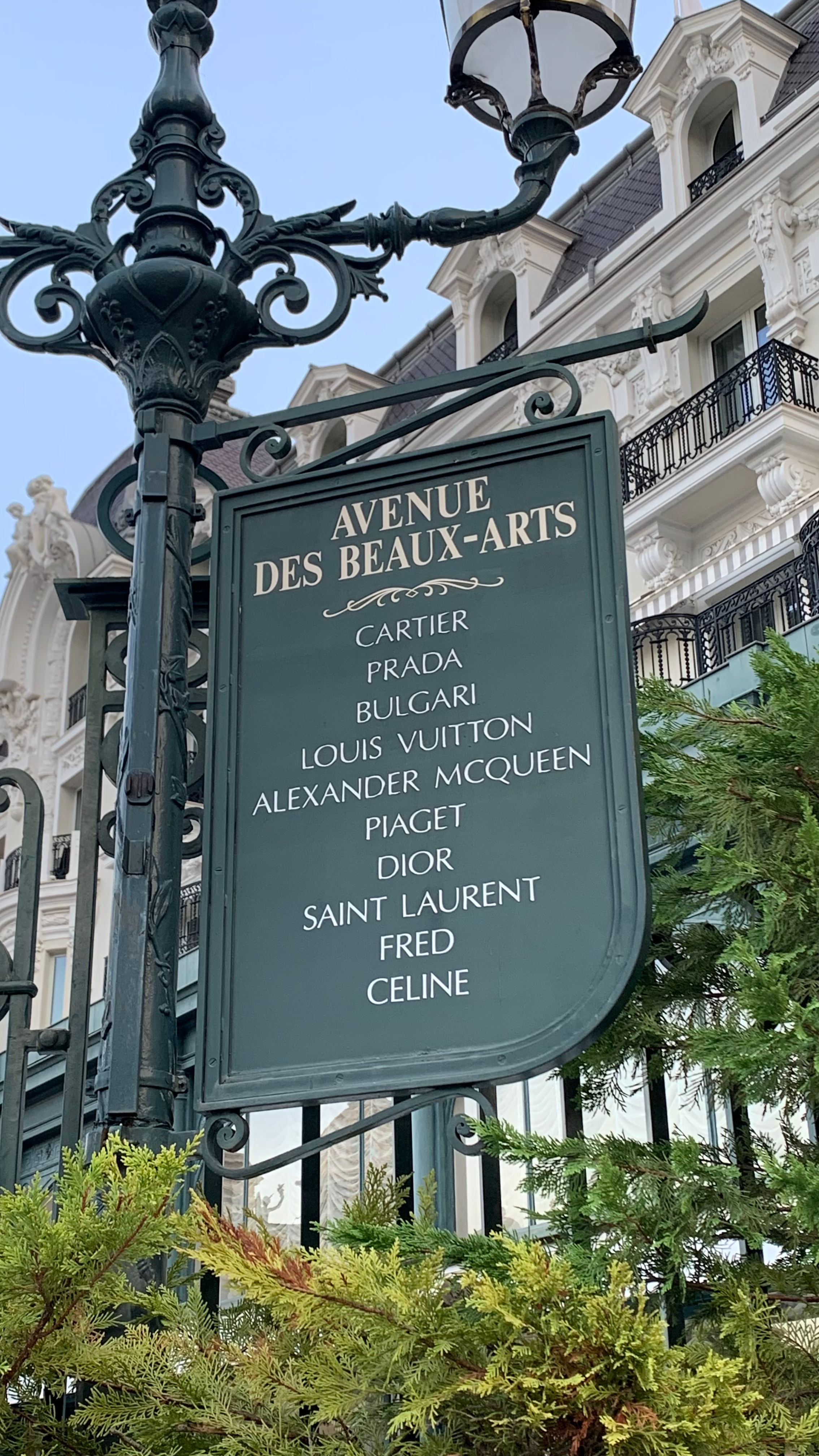
© Xavier Reinaldo-Virgili · Monaco Visual Fieldwork Archive (MVFA) · 2017–2026
PHOTOGRAPH 06 · Luxury Wayfinding on Avenue des Beaux-Arts |
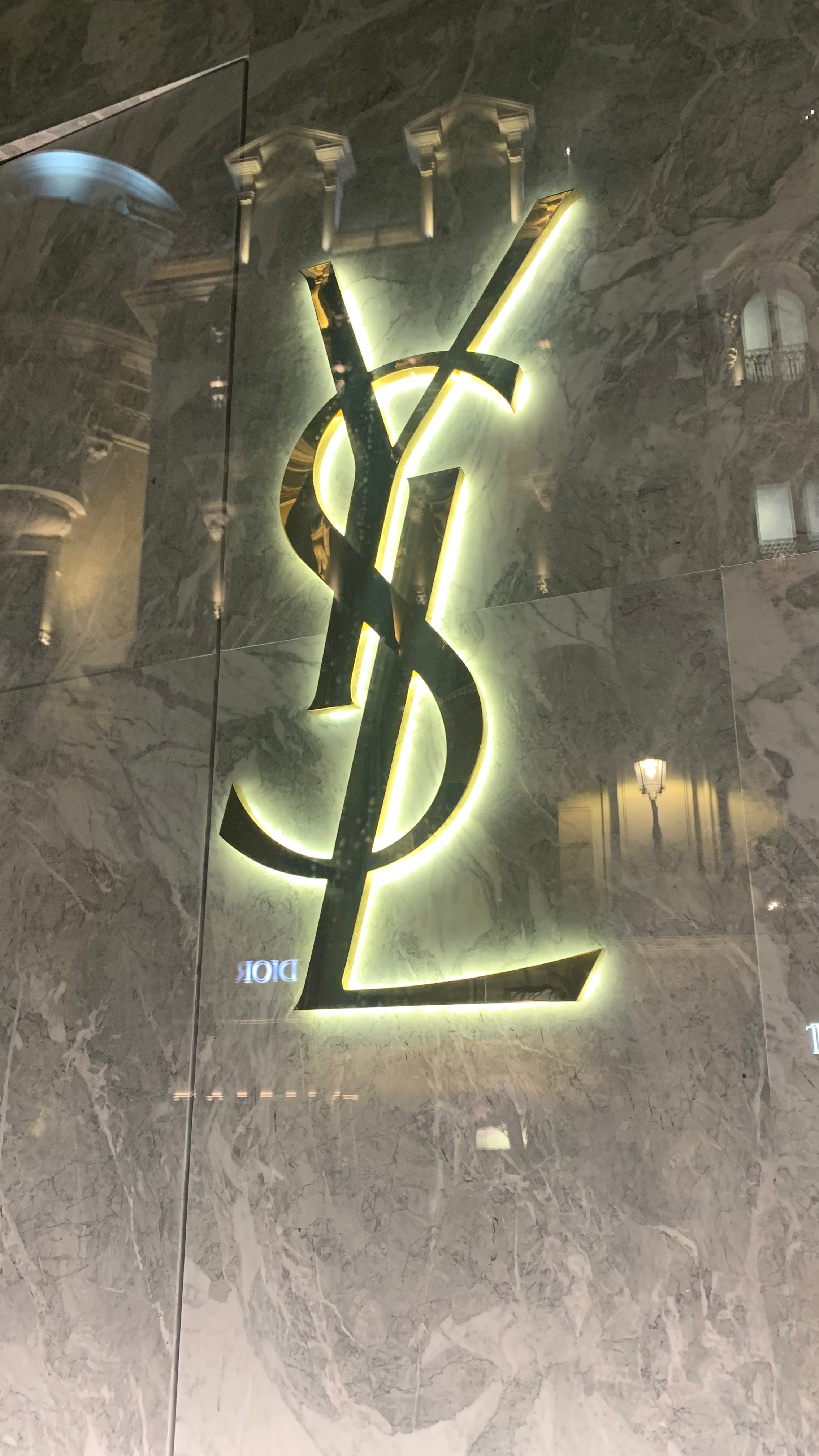
© Xavier Reinaldo-Virgili · Monaco Visual Fieldwork Archive (MVFA) · 2017–2026
PHOTOGRAPH 07 · Yves Saint Laurent on Marble |
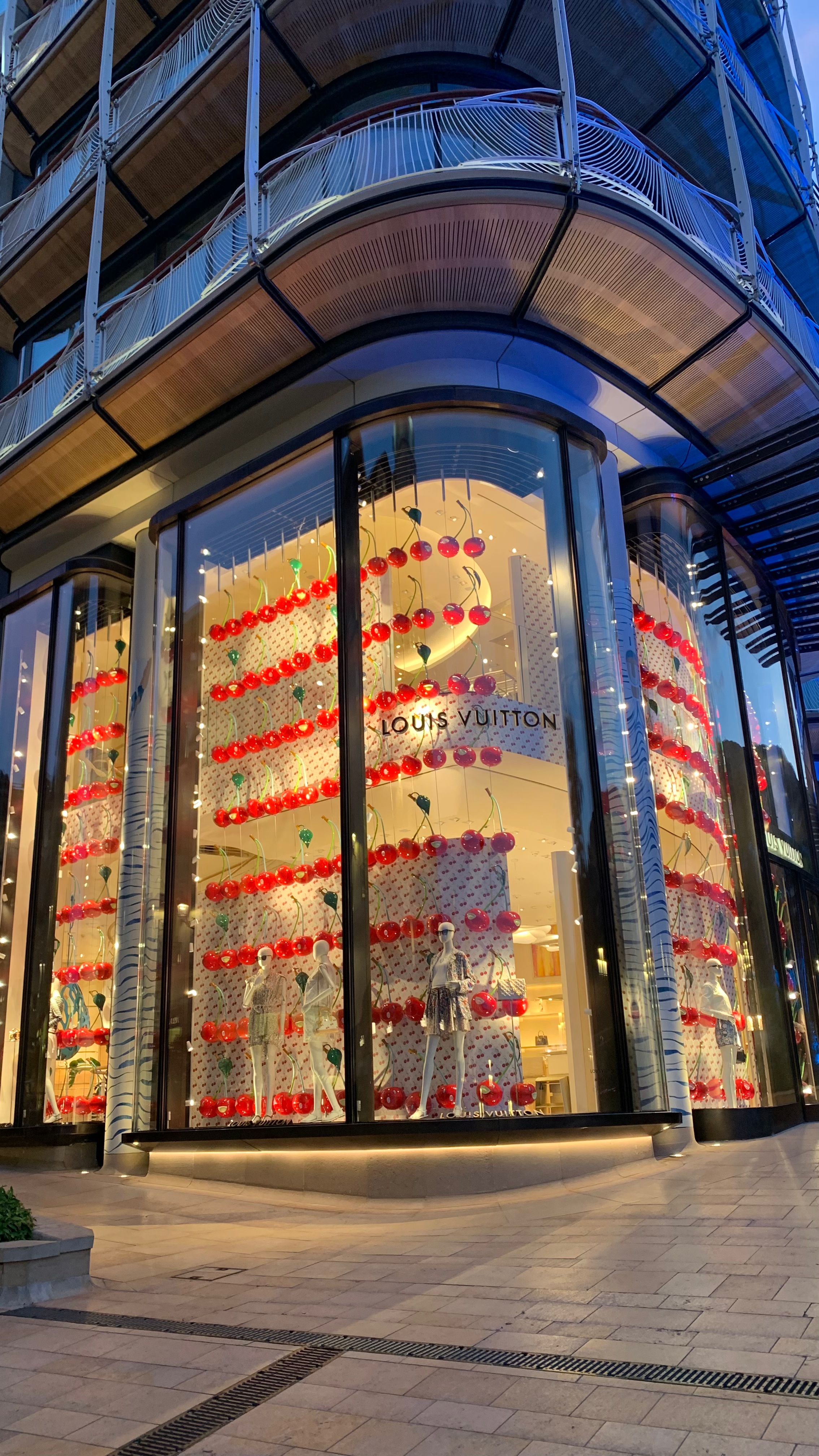
© Xavier Reinaldo-Virgili · Monaco Visual Fieldwork Archive (MVFA) · 2017–2026
PHOTOGRAPH 08 · Louis Vuitton Glass Shop Window |
The sequence shows visual continuity between the promenade, glazed façade, retail interior and product. In terms of Kotler (1973) and Bitner (1992), the physical environment contributes to the production and communication of the retail experience.
Keywords: Visual Merchandising · Glass Façade · Servicescape · Brand Visibility · Luxury Retail Ecosystem
05 · Art and Iconicity Art Infusion, Landmarking and Image Production
Hagtvedt and Patrick (2008) coined the term Art Infusion to describe the phenomenon through which the presence of art may transfer certain aesthetic and luxury associations to nearby products and contexts.
Applying this concept to Monaco requires caution: the proximity of art to luxury spaces is observable, but visual evidence alone cannot establish its effect on individual visitors.
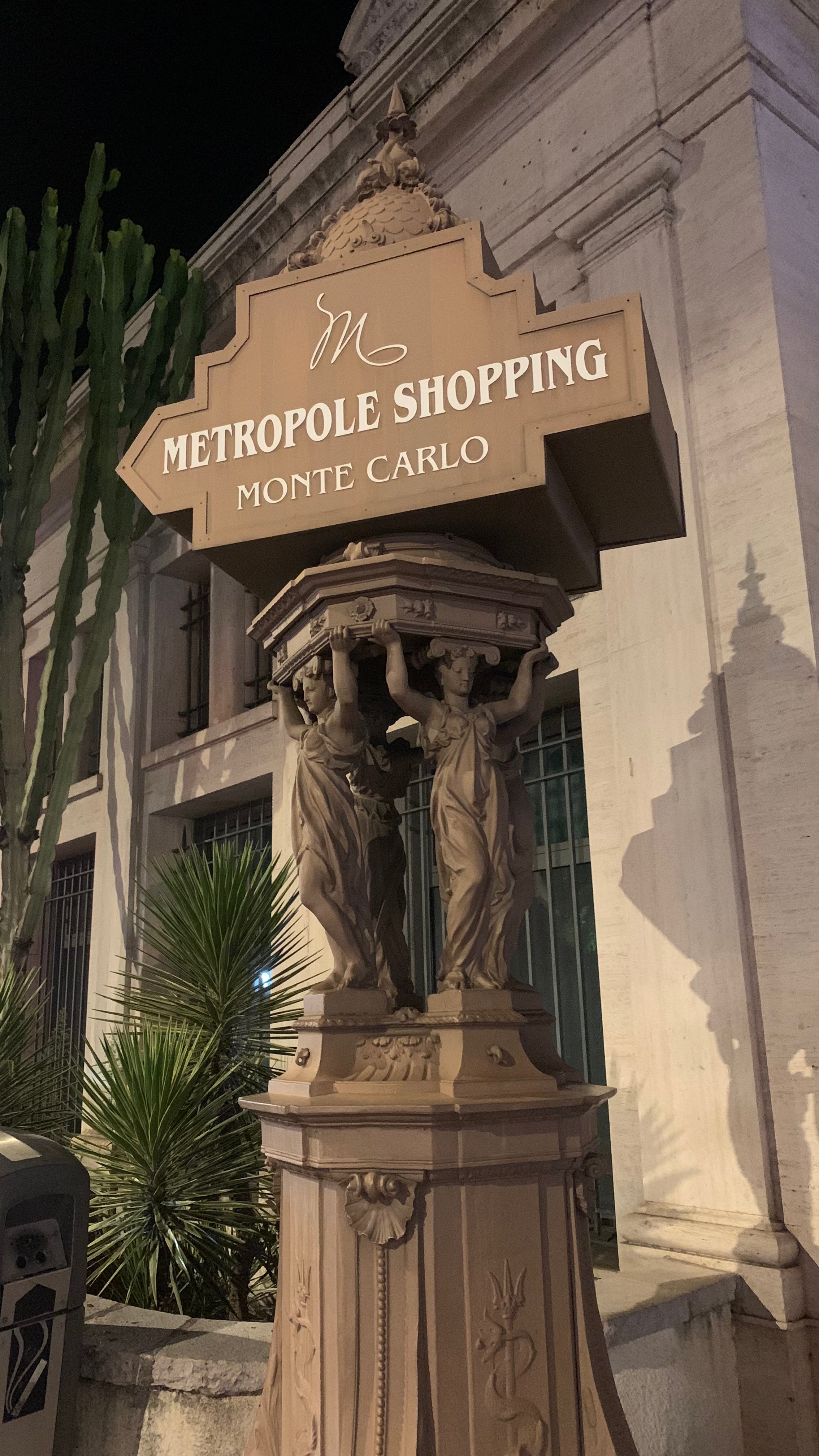
© Xavier Reinaldo-Virgili · Monaco Visual Fieldwork Archive (MVFA) · 2017–2026
PHOTOGRAPH 09 · Sculpture and Métropole Shopping Signage |
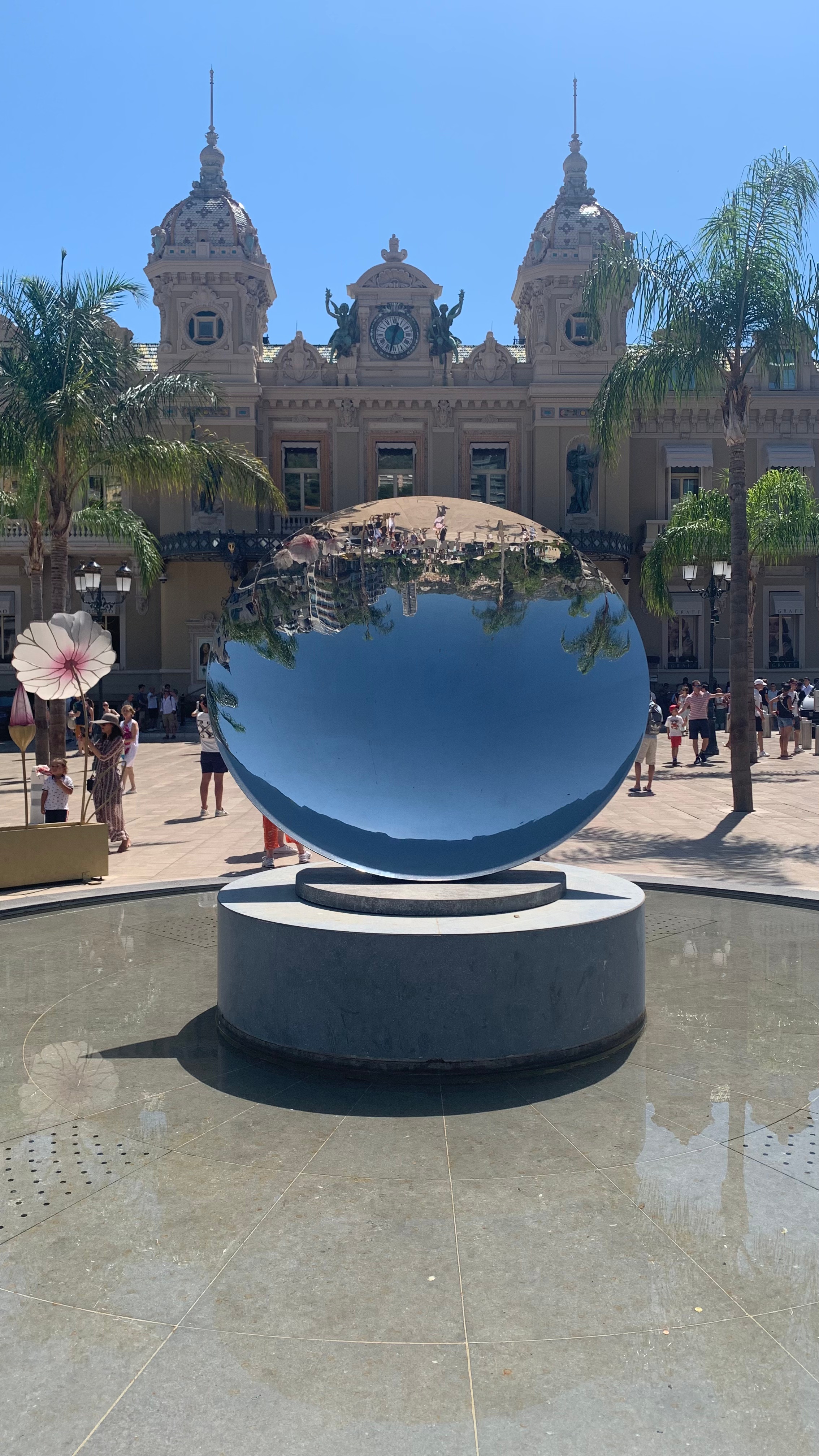
© Xavier Reinaldo-Virgili · Monaco Visual Fieldwork Archive (MVFA) · 2017–2026
PHOTOGRAPH 10 · Sky Mirror · Anish Kapoor · 1999 |
The video makes it possible to observe the reflection changing continuously as the observer’s position, the light and the elements passing through the surroundings change. Framing and composition are no longer entirely static.
Keywords: Reflective Surface · Moving Image · Public Art · Environmental Reflection · Visual Framing
06 · Materiality and Atmosphere Atmospherics, Servicescape and Material Aesthetics
Kotler (1973) conceptualised atmospherics as the deliberate use of the environment to generate particular perceptual and emotional effects related to consumption.
Bitner (1992) extended this approach through the concept of servicescape, showing how physical conditions, spatial organisation, signs and symbols form part of the environment in which a service takes place.
Marble, glass, reflections, lighting and gilded surfaces can thus be examined as perceptual components of space. Their presence does not, in itself, demonstrate luxury, but it does provide material cues that may contribute to its aesthetic coding.
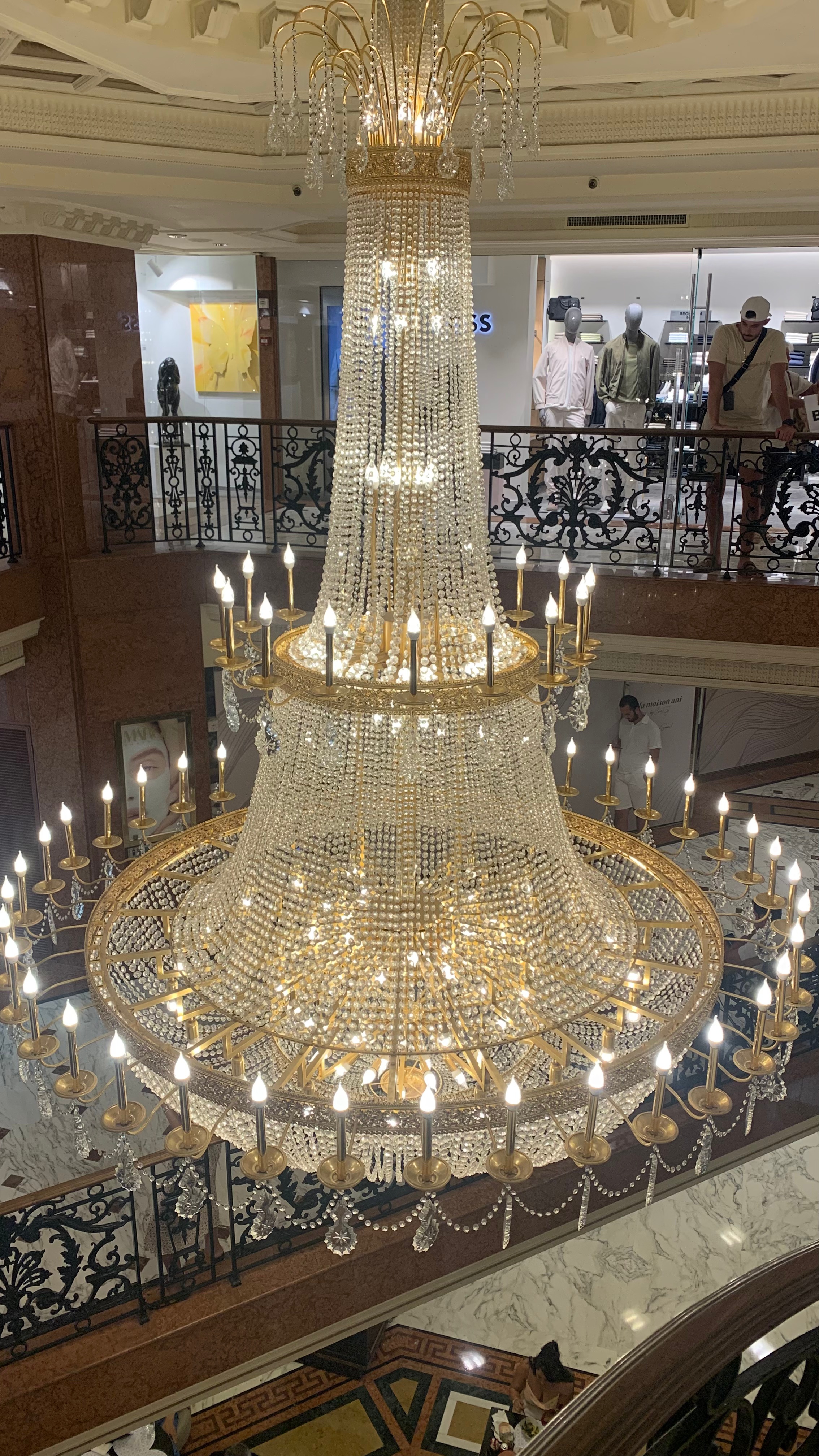
© Xavier Reinaldo-Virgili · Monaco Visual Fieldwork Archive (MVFA) · 2017–2026
PHOTOGRAPH 11 · Métropole Shopping Crystal Chandelier |
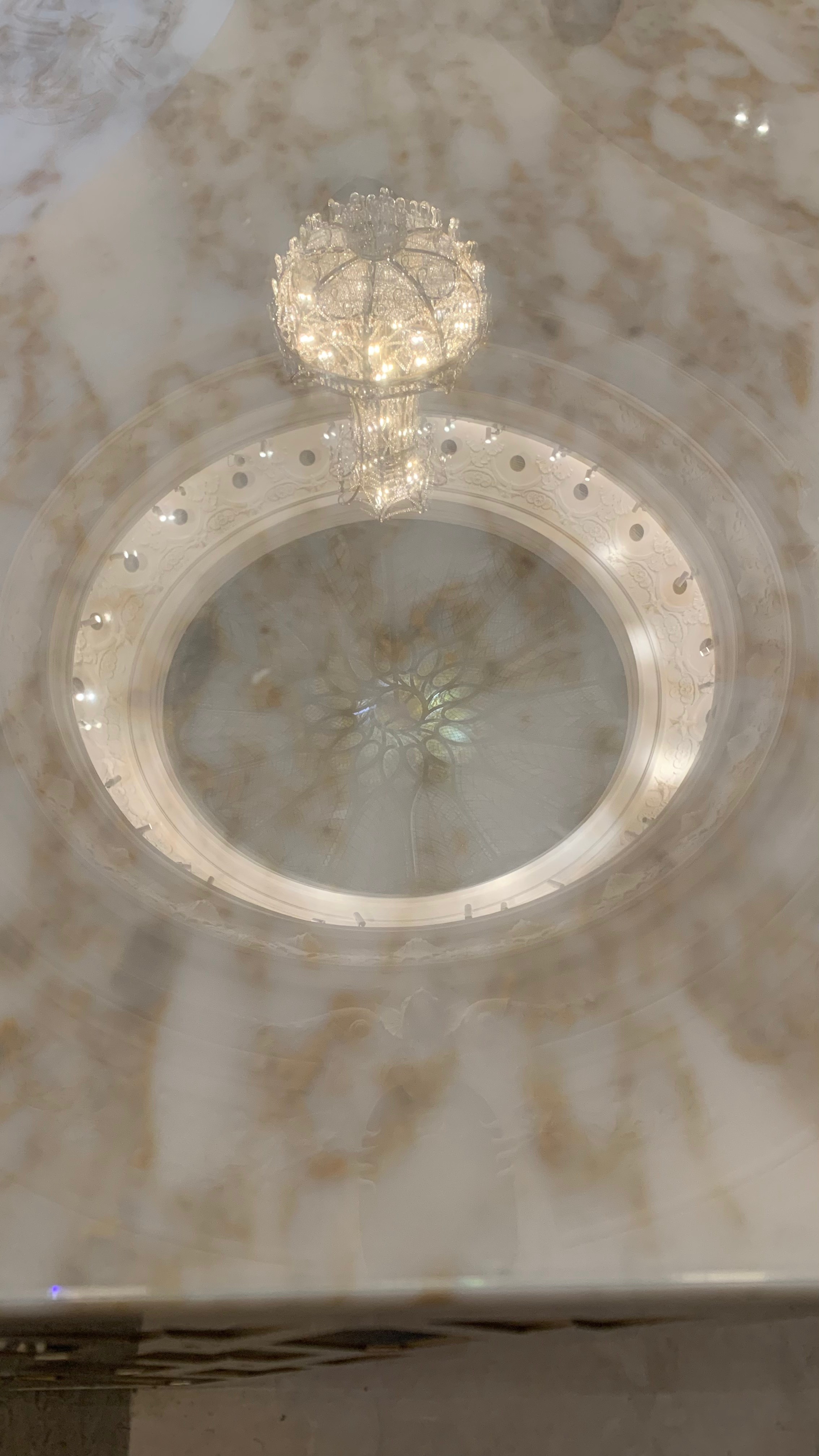
© Xavier Reinaldo-Virgili · Monaco Visual Fieldwork Archive (MVFA) · 2017–2026
PHOTOGRAPH 12 · Marble Reflection at the Hôtel de Paris |
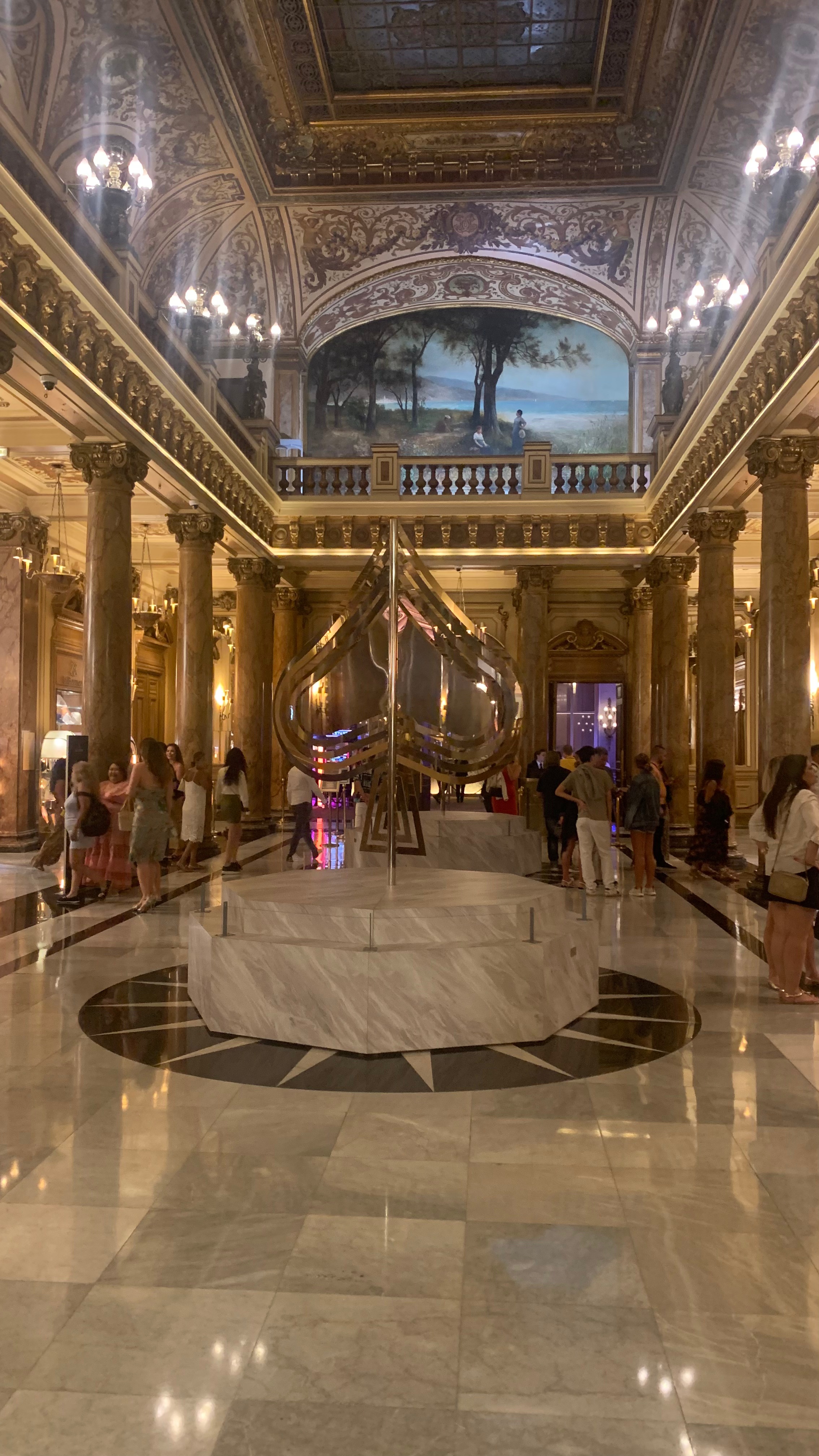
In the lobby of the Casino de Monte-Carlo, the spade symbol directly communicates the activity of gambling, while gilded tones create a distinctive material atmosphere. Symbol and servicescape operate simultaneously.
Keywords: Gambling Iconography · Gold Aesthetics · Symbolic Cue · Casino Servicescape
07 · Access, Elevation and Spatial Ritual Affordances, Proxemics and Ritualised Approach
From Gibson’s (1979) perspective, a staircase has a functional dimension: it affords ascent. The cultural meaning of that elevation, however, requires a further level of analysis.
Hall (1966) demonstrated the social significance of spatial relations, while Rapoport (1982) analysed the built environment as a system of signals and nonverbal communication. A staircase may therefore function simultaneously as circulation infrastructure and a spatial marker.
When ascending precedes entry into a prestigious cultural, commercial or hospitality space, the approach may take on the character of a ritualised approach: the experience of arrival begins before the door is crossed.
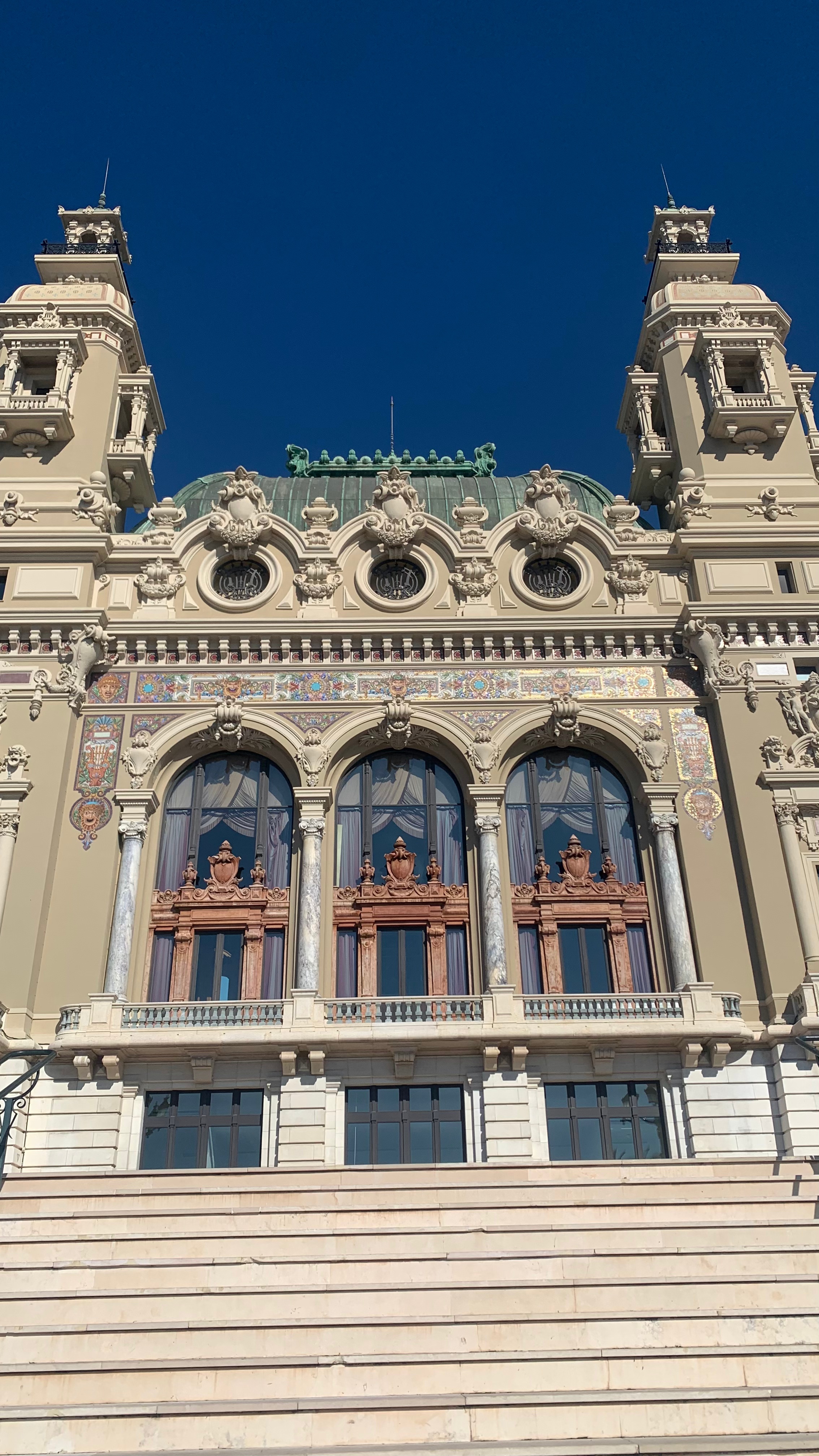
© Xavier Reinaldo-Virgili · Monaco Visual Fieldwork Archive (MVFA) · 2017–2026
PHOTOGRAPH 14 · Steps Leading to the Opéra de Monte-Carlo |
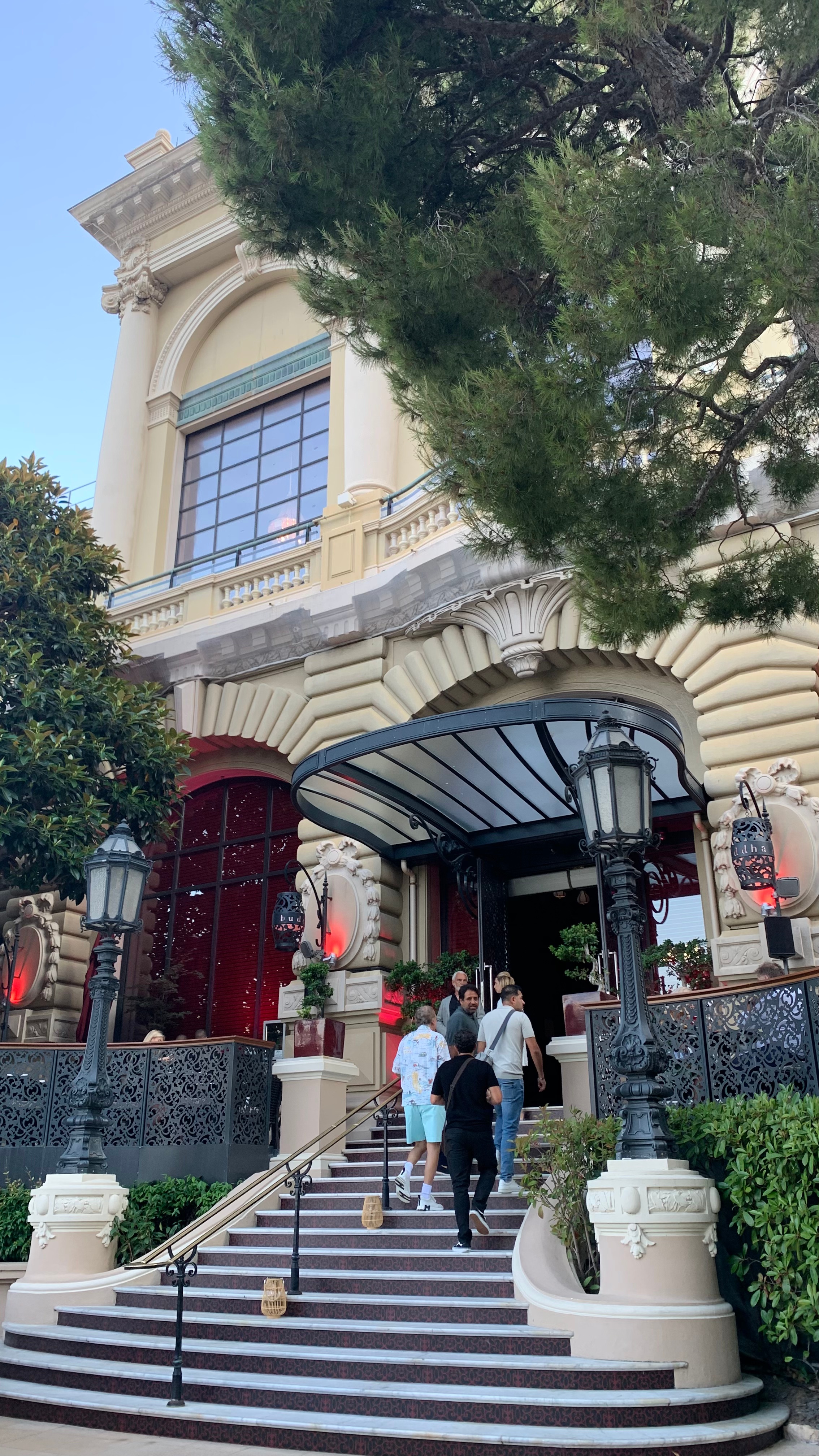
© Xavier Reinaldo-Virgili · Monaco Visual Fieldwork Archive (MVFA) · 2017–2026
PHOTOGRAPH 15 · Elevated Access to Buddha-Bar |
08 · Spatial and Visual Composition Salience, Framing and Spatial Staging
Kress and van Leeuwen (2006) show how composition, framing, position and salience contribute to the construction of visual meaning. These tools apply not only to designed images but also to the analysis of photographs of urban environments.
Composition can make order, symmetry, repetition or centrality visible. In a tourist destination, these configurations may also become objects of observation and photography, an issue closely related to the tourist gaze developed by Urry and Larsen (2011).
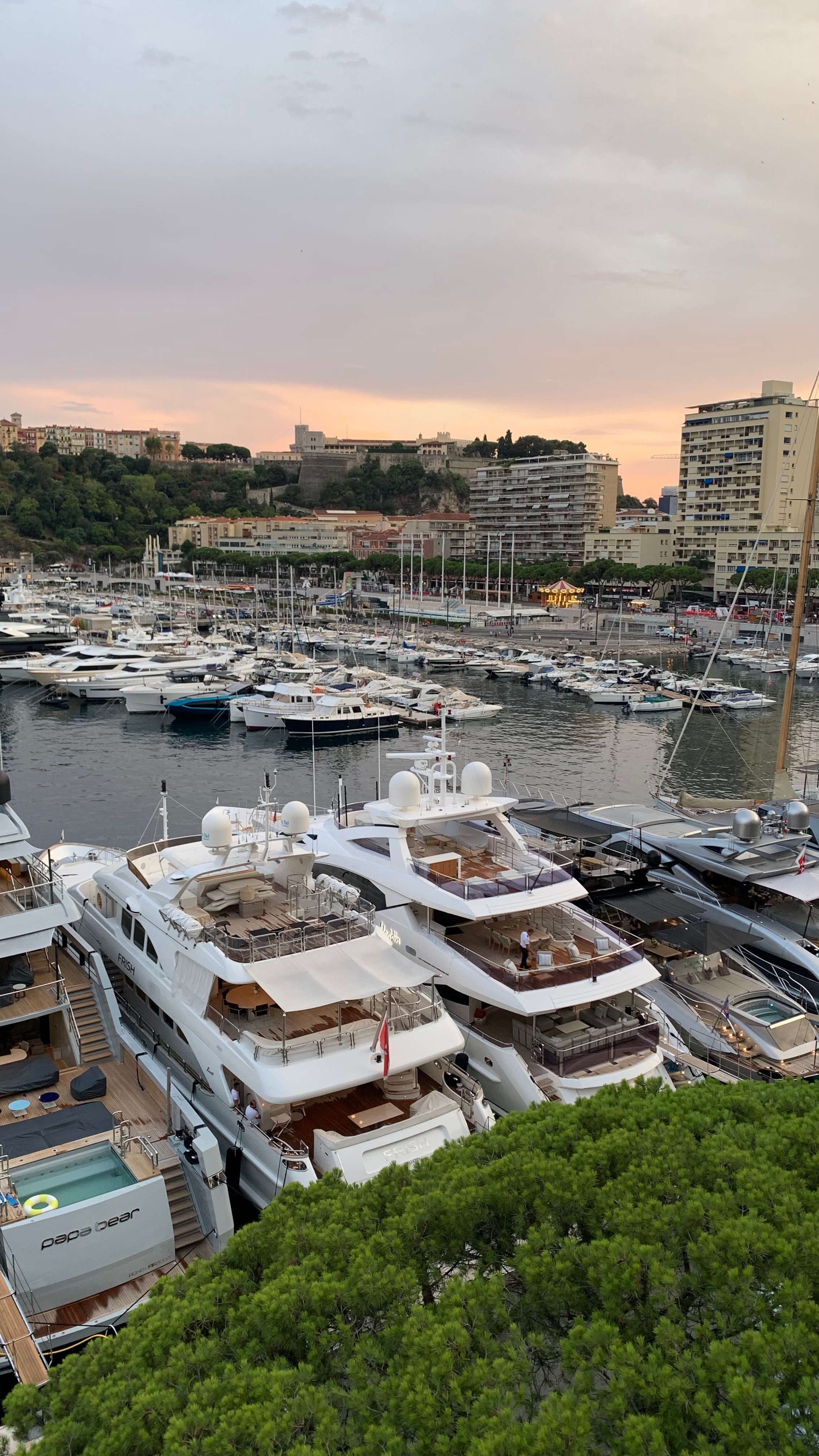
The arrangement of vessels creates lines, repetition and visual balance. The functional organisation of berths may simultaneously produce a recognisable visual composition.
Keywords: Symmetry · Spatial Order · Yachting Visual Field · Visual Framing · Luxury Mobility
09 · Dynastic Architecture and Night-Time Visibility Architecture of Sovereignty and Night-Time Landmarking
The Palais Princier de Monaco offers a particularly rich example of dynastic iconography. The building originated as a Genoese fortress begun in 1215 and later became the residence of the Grimaldi family. Its gradual transformation from medieval fortress into palace introduced architectural features associated with dynastic affirmation and representation, particularly under Honoré II (Palais Princier de Monaco, n.d.).
From Rapoport (1982), the built environment can be understood as a form of nonverbal communication; from Bourdieu (1984), institutional monumentality can also be interpreted in relation to the production and recognition of symbolic capital. In this sense, the palace is not merely a residence: its prominent position above Le Rocher, its historical continuity and visual recognition make it a dynastic landmark.
In the night-time observation from Place d’Armes, pink illumination increases the contrast between the building and its dark surroundings, reinforcing its visual salience. The lighting alone does not establish a specific communicative intention, but it does alter the monument’s night-time legibility and favour its recognition within the urban image. This dimension connects with the concept of place image developed by Kavaratzis (2004).
Night-time view of the Palais Princier from Place d’Armes. The pinkish lighting strengthens the building’s visual separation from its surroundings and makes it possible to examine how monumentality, height, colour and position contribute to its recognition after dark.
Keywords: Dynastic Iconography · Architecture of Sovereignty · Monumental Salience · Night-Time Landmarking · Symbolic Power · Place Image
10 · Visual Consumption Luxury beyond Purchasing
Schroeder (2002) places images at the centre of consumer culture, providing a basis for treating vision as a meaningful dimension of relationships between consumers, brands and identity.
This perspective is especially productive for studying Monte-Carlo. An observer may recognise Cartier, look at a Louis Vuitton shop window, photograph the Hôtel de Paris, contemplate Sky Mirror or walk through Port Hercule without purchasing any goods associated with those spaces.
Urry and Larsen (2011) add the tourism dimension: the visitor’s gaze selects particular elements as worthy of observation, framing and photography. Image-making thus becomes part of the destination experience.
≠ ACCESS ≠ PURCHASE ≠ OWNERSHIP
11 · Symbolic Capital and Distinction Bourdieu and the Social Dimension of the Visual Environment
Bourdieu (1984) allows these elements to be situated within a broader discussion of taste, distinction and symbolic capital. Certain brands, spaces and aesthetic forms can acquire value precisely because they are socially recognised as signs of prestige.
The value of this perspective for Monaco does not lie in automatically assuming the status of those appearing in the images. Rather, it supports the study of how certain objects and environments are culturally available as signs of difference.
Recognising a prestige code does not establish the social position of the person observing, photographing or standing near it.
12 · Place Branding From Individual Signs to the Image of Monte-Carlo
Kavaratzis (2004) emphasises that city branding depends heavily on the construction and communication of place images. This makes it possible to move from analysing individual objects to examining the visual environment as a whole.
Institutional coats of arms, historic hospitality establishments, international brands, dynastic architecture, yachts, public art, marble, glass and architecture do not necessarily constitute a system designed by a single actor. They can nevertheless be perceived together and contribute to a coherent image of Monte-Carlo.
13 · Typological Synthesis How the Corpus Is Organised
| Typology | Cases in the Corpus | Concepts |
|---|---|---|
| Heraldry and Identity | Mónaco · Hôtel de Paris · Yacht Club · Hôtel Hermitage | Visual Identity · Heritage · Institutional Recognition |
| Luxury Brand Codes | Cartier · Yves Saint Laurent · Louis Vuitton | Brand Recognition · Brand Associations · Luxury Branding |
| Wayfinding & Retail | Avenue des Beaux-Arts · One Monte-Carlo · Métropole Shopping | Retail Clustering · Visual Merchandising · Commercial Orientation |
| Art and Iconicity | Sky Mirror · Métropole Shopping | Art Infusion · Landmarking · Reflection |
| Materiality | Glass · marble · gilded surfaces · reflections | Atmospherics · Servicescape · Material Aesthetics |
| Access and Verticality | Opéra de Monte-Carlo · Buddha-Bar | Affordance · Elevated Access · Ritualised Approach |
| Functional Iconography | Spade · Casino de Monte-Carlo | Gambling Iconography · Symbolic Cue |
| Spatial and Monumental Composition | Port Hercule · Palais Princier de Monaco | Symmetry · Visual Framing · Monumental Salience · Night-Time Landmarking |
14 · Interpretative Limits What Visual Evidence Cannot Demonstrate
Brand visibility ≠ purchase.
Brand recognition ≠ brand preference.
Luxury cue ≠ demonstrated social status.
Visual prestige ≠ demonstrated intention.
Art proximity ≠ demonstrated Art Infusion effect.
Affordance ≠ symbolic meaning.
Visual association ≠ causality.
Photographic attractiveness ≠ intentional photogenic design.
Visual selection ≠ statistical representation.
The research identifies configurations, repetitions and interpretable associations on the basis of contextualised visual evidence. It does not automatically attribute intentions to brands, architects, institutions, establishments or users.
Monaco Visual Fieldwork Archive
The sixteen photographs and five video observations presented on this page come from visual fieldwork conducted in Monaco between 2017 and 2026 by Xavier Reinaldo-Virgili.
The material belongs to the Monaco Visual Fieldwork Archive (MVFA) and was selected for its relevance to the study of iconography, branding, materiality, architecture, art, dynastic representation and visual composition.
The corpus is a purposively selected visual collection, not a statistically representative sample of all signs, brands or environments present in the Principality.
© Xavier Reinaldo-Virgili · Monaco Visual Fieldwork Archive (MVFA) · 2017–2026
16 · Archive Documentation MVFA and Research Repository
The structure and scope of the Monaco Visual Fieldwork Archive are formally documented in:
MVFA — Broader Visual Fieldwork Collection: Scope and Documentation
OSF Research Repository:
Monaco Research Observatory
Prestige Translated into Visible Form
The corpus shows that Monaco’s iconography operates across multiple scales. It can be condensed into a small coat of arms, extend across a façade, structure a shop window, become an architectural sequence or encompass an entire harbour composition.
Luxury brands constitute an important part of this system, but they do not operate in isolation. Heraldry, heritage, architecture, art, marble, glass, dynastic architecture, lighting and urban composition provide the context in which luxury codes acquire particular visual density.
Monaco can thus be analysed as a symbolic and branded environment: a territory in which identity, prestige and luxury are not only consumed but also made visible, recognised, observed, photographed and circulated as images.
18 · References References · APA 7
Aaker, D. A. (1996). Building strong brands. Free Press.
Barthes, R. (1977). Image, music, text (S. Heath, Trans.). Hill and Wang.
Bitner, M. J. (1992). Servicescapes: The impact of physical surroundings on customers and employees. Journal of Marketing, 56(2), 57–71. https://doi.org/10.1177/002224299205600205
Bourdieu, P. (1984). Distinction: A social critique of the judgement of taste (R. Nice, Trans.). Harvard University Press. (Original work published 1979).
Gibson, J. J. (1979). The ecological approach to visual perception. Houghton Mifflin.
Hagtvedt, H., & Patrick, V. M. (2008). Art infusion: The influence of visual art on the perception and evaluation of consumer products. Journal of Marketing Research, 45(3), 379–389. https://doi.org/10.1509/jmkr.45.3.379
Hall, E. T. (1966). The hidden dimension. Doubleday.
Kapferer, J.-N., & Bastien, V. (2012). The luxury strategy: Break the rules of marketing to build luxury brands (2nd ed.). Kogan Page.
Kavaratzis, M. (2004). From city marketing to city branding: Towards a theoretical framework for developing city brands. Place Branding, 1(1), 58–73. https://doi.org/10.1057/palgrave.pb.5990005
Keller, K. L. (1993). Conceptualizing, measuring, and managing customer-based brand equity. Journal of Marketing, 57(1), 1–22. https://doi.org/10.1177/002224299305700101
Kotler, P. (1973). Atmospherics as a marketing tool. Journal of Retailing, 49(4), 48–64.
Kress, G., & van Leeuwen, T. (2006). Reading images: The grammar of visual design (2nd ed.). Routledge.
Panofsky, E. (1939). Studies in iconology: Humanistic themes in the art of the Renaissance. Oxford University Press.
Palais Princier de Monaco. (n.d.). Le Palais des Princes de Monaco. https://www.palais.mc/fr/l-institution/le-palais-des-princes-de-monaco-1-16.html
Rapoport, A. (1982). The meaning of the built environment: A nonverbal communication approach. Sage Publications.
Rose, G. (2016). Visual methodologies: An introduction to researching with visual materials (4th ed.). SAGE Publications.
Schroeder, J. E. (2002). Visual consumption. Routledge.
Urry, J., & Larsen, J. (2011). The tourist gaze 3.0 (3rd ed.). SAGE Publications.

