Luxury Tourism Sociology in Monte Carlo
A sociological reading of status, distinction, visibility and symbolic power in one of Europe’s most emblematic luxury destinations.
Monte Carlo is not only a luxury destination but also a highly codified social environment where hierarchy, prestige and belonging are continuously produced through space, consumption and visibility. From this perspective, luxury tourism can be understood not simply as a market segment, but as a social phenomenon shaped by symbolic practices, aesthetic norms and performative forms of distinction.
This page offers an academic introduction to the sociology of luxury tourism in Monte Carlo through key theoretical frameworks, visual fieldwork and critical interpretations of status display, social distinction and the production of elite spaces. It connects classical and contemporary authors with original research materials in order to examine how luxury is staged, observed and legitimized in the urban fabric of the Principality.
What this page covers
- Core sociological frameworks on luxury tourism
- Monte Carlo as a symbolic and spatial environment
- Conspicuous consumption and social distinction
- Fieldwork-based visual analysis
- Related essays, galleries and research materials
Monte Carlo as a Sociological Laboratory of Luxury Tourism
Monte Carlo can be interpreted as a relevant site of observation due to the high density, visibility, and analytical accessibility of its social dynamics related to luxury tourism. It is an urban ecosystem with a spatial configuration and symbolic density that, coupled with a high concentration of infrastructure dedicated to elite tourism, transforms a tourist destination into a space where distinction and recognition are continuously managed and made visible.
Unlike other tourist destinations where the relationship between distinction and display is much more diffuse, Monte Carlo features a set of highly codified spaces—Place du Casino, Hôtel de Paris, Port Hercule—in which visibility and discretion coexist structurally, both being essential parts of the elite tourist experience. In these spaces, in addition to the consumption of luxury, performative behaviors emerge from social rituals, aesthetic codes, and spatial distribution.
Luxury tourism in Monte Carlo is not limited to economic capacity or the ability to access an exclusive environment; it must be understood as a set of social practices composed of implicit norms, symbolic boundaries, forms of visibility, and codes of conduct.
In Monte Carlo, conventional tourists, residents, and elite tourists coexist in a confined space, with the latter navigating exclusive spaces, observing and being observed according to unwritten codes that shape the experience. This makes Monte Carlo a spatially relevant case study from the perspective of tourism sociology, as it connects space, behavior, symbolism, and belonging. This destination facilitates observation of how luxury is interpreted, validated, and projected through social interaction, and ultimately becomes an element of belonging and distinction.
Core Frameworks of Luxury Tourism Sociology
Luxury tourism in highly codified destinations such as Monte Carlo cannot be analyzed solely from perspectives based on market segmentation. It requires a theoretical framework capable of explaining the processes of value and status creation, and how these are socially constructed, recognized, and reproduced through navigation between different spaces of exclusivity and the rituals of behavior and social interaction.
The sociology of luxury tourism seeks to construct an analytical framework that allows for the interpretation of consumption not as an independent act, but as part of a much broader system of symbolic practices. This conceptual framework enables an understanding of how visibility, taste, belonging, and recognition work in concert to shape the luxury tourism experience.
The works of Veblen and Bourdieu present two distinct yet complementary starting points. Veblen argues that visibility and the generation of status stem from the consumption of luxury, especially when it is publicly displayed. Bourdieu focuses on the nature of taste, demonstrating how distinction does not necessarily arise from consumption, but rather from social, cultural, and symbolic capital recognized as a form of legitimation.
Both perspectives offer a robust analytical starting point for examining luxury tourism as a field where economic capital, symbolic value, and cultural capital intersect. What makes Monte Carlo unique is precisely the special visibility of this intersection, which facilitates a deep understanding of how luxury is not only consumed but also interpreted, performed, and validated.
Veblen (1899): Conspicuous Consumption
Luxury tourism as a visible performance of status.
Thorstein Veblen’s concept of conspicuous consumption provides a foundational framework for understanding luxury tourism as a social practice structured by visibility, recognition and symbolic display. In destinations such as Monte Carlo, consumption is not merely functional or private: it acquires meaning through exposure, spatial context and public interpretation.
Why Monte Carlo illustrates Veblen’s theory
- Luxury is experienced through visibility. In Monte Carlo, consumption becomes socially meaningful when it is publicly displayed within spaces already associated with prestige.
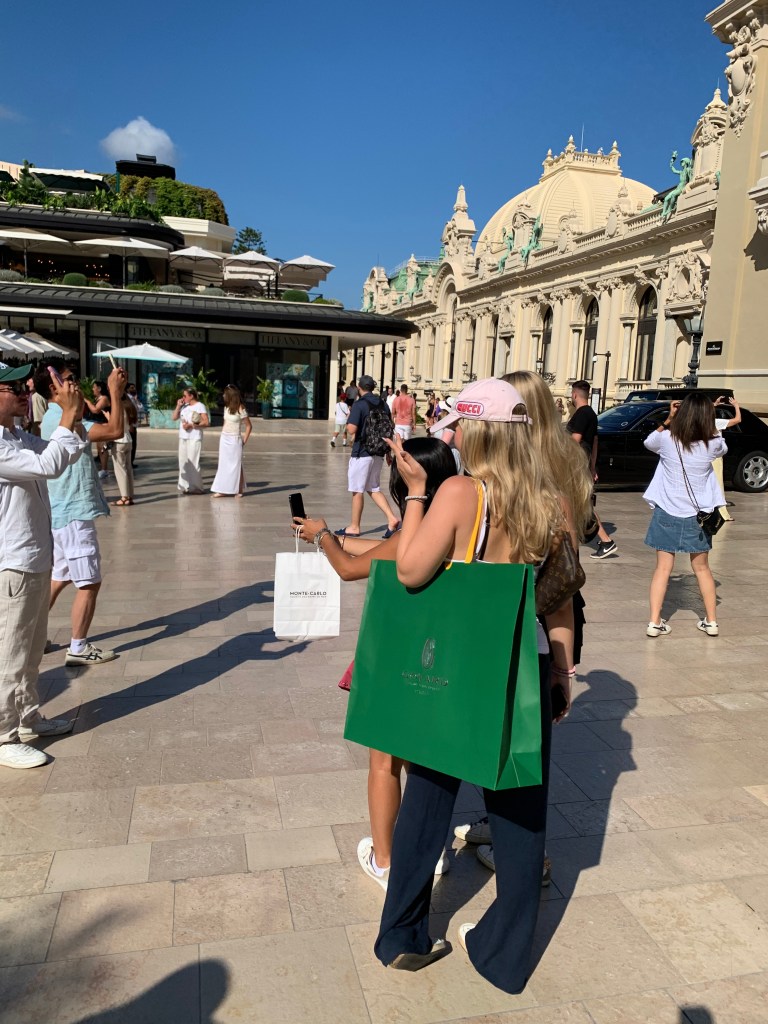
- The destination itself functions as a stage. The Casino, the marina and the grand hotels act as ritual settings in which status is performed, observed and reinforced.
- Seeing and being seen are part of the experience. Luxury tourism in Monte Carlo is shaped by a social choreography in which movement, presence and material signs of wealth contribute to the performance of distinction.
Bourdieu (1979): Distinction: A Social Critique of the Judgement of Taste
Distinction, symbolic and aesthetic capital, class habitus.
Pierre Bourdieu’s theory of distinction offers a powerful framework for understanding luxury tourism as a field structured by taste, legitimacy and symbolic recognition. In Monte Carlo, luxury is not only consumed but socially interpreted through aesthetic preferences, embodied dispositions and forms of spatial competence that reveal class position.
Why Monte Carlo illustrates Bourdieu’s theory
- Luxury in Monte Carlo is a public display of symbolic capital. Prestige is not derived solely from wealth, but from the social recognition attached to spaces, brands and behaviours.
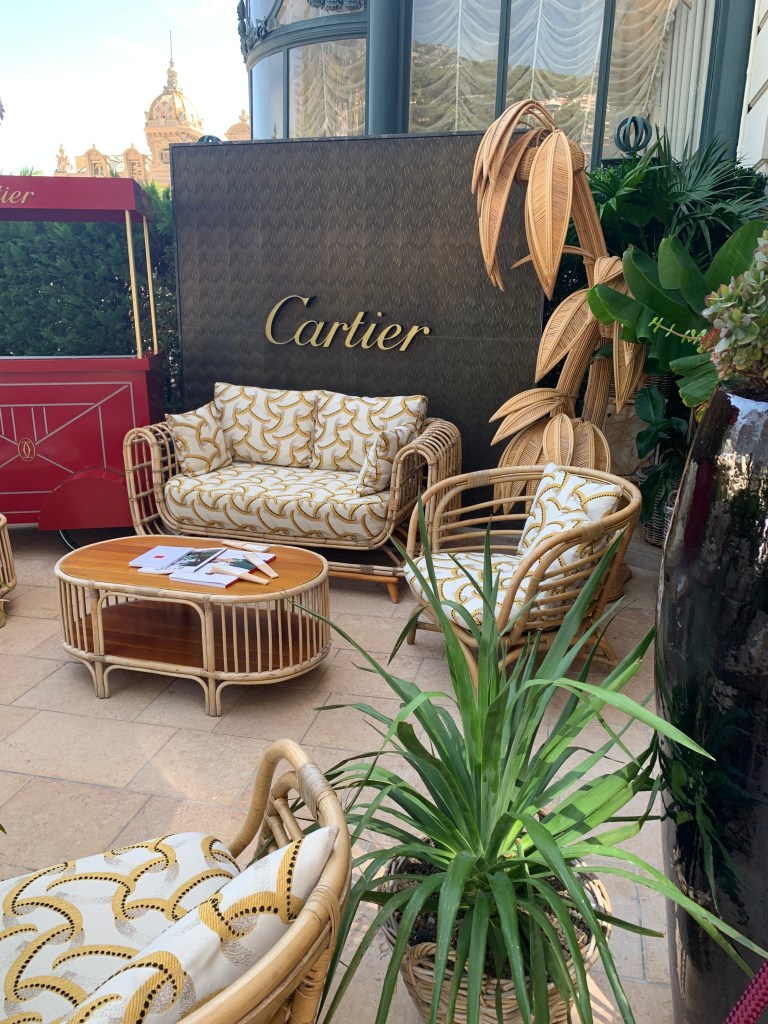
- Its elite spaces make class performance visible. Hotels, terraces, boutiques and ceremonial settings function as environments where distinction is enacted and observed through embodied practices.
- Aesthetic choices map the city’s social hierarchy. Materials, styles, gestures and spatial preferences reveal how taste operates as a marker of class and belonging within Monte Carlo’s luxury landscape.
Complementary Perspectives in Luxury Tourism Analysis
While the frameworks of Veblen and Bourdieu provide a foundational understanding of visibility, distinction and symbolic capital, contemporary analyses of luxury tourism benefit from incorporating additional perspectives that expand the interpretative scope of these dynamics.
In the context of Monte Carlo, these complementary approaches allow for a more nuanced reading of how luxury is experienced, represented and consumed within highly codified spatial environments.
The Tourist Gaze (Urry)
John Urry’s concept of the tourist gaze highlights the centrality of visual consumption in tourism experiences. In Monte Carlo, the act of looking—and being looked at—becomes part of a structured visual economy in which certain spaces, objects and individuals acquire heightened symbolic visibility.
Luxury Branding and Exclusivity (Kapferer)
Kapferer’s work on luxury branding emphasizes the importance of controlled access, symbolic meaning and brand mythology. In Monte Carlo, luxury is reinforced through spatial exclusivity, architectural aesthetics and the strategic presence of high-end brands.
The Experience Economy (Pine & Gilmore)
Pine and Gilmore’s framework shifts the focus from products to staged experiences. Monte Carlo exemplifies this transition, as luxury is embedded in orchestrated environments that combine space, service and atmosphere.
Fieldwork Evidence from Monte Carlo
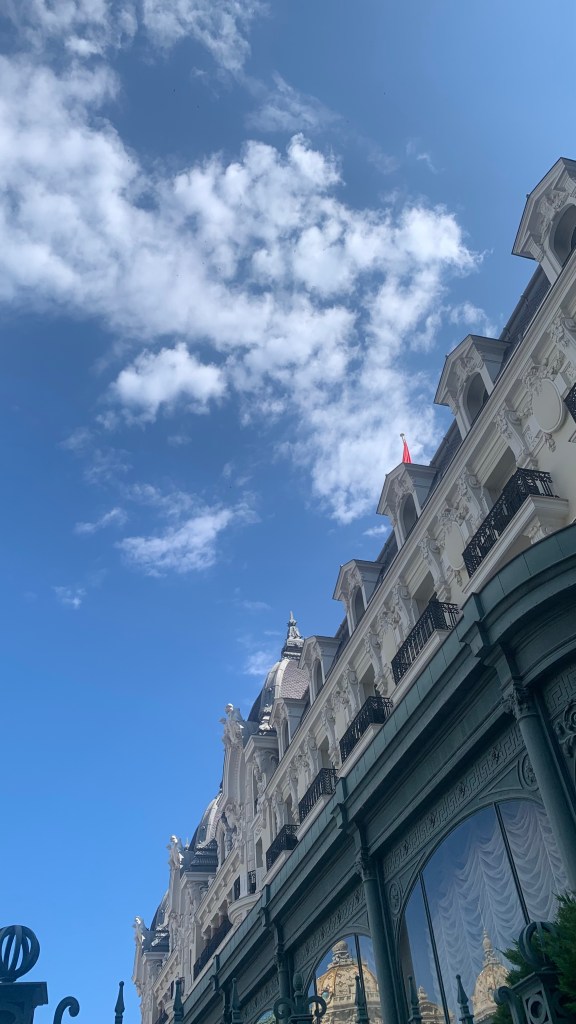
The theoretical interpretation presented on this page is supported by field observations conducted in Monte Carlo between 2017 and 2025. These observations focus on spatial practices, behavioural patterns and visual dynamics in key luxury environments.
This material includes photographs, videos, field notes and interpretive analyses of symbolic spaces such as Place du Casino, Hôtel de Paris, Port Hercule and the Carré d’Or.
Research Tools and Reading Pathways
The following resources extend the analytical framework presented on this page and help connect sociological theory with typologies, spaces and visual documentation gathered through fieldwork.
Further Reading and Related Pages
Fieldwork and Visual Archive Statement
This web space presents a selection from the audiovisual catalogue produced by the author during fieldwork in Monte Carlo since 2017. All photographs and videos displayed throughout the project were personally recorded and form part of the Monte Carlo Gallery Collection, the visual archive of Xavier Reinaldo-Virgili (2017–2026).
Selected materials are also accessible through the project’s visual repository on Instagram: @nice_monaco.
All photographs and video content belong to the author’s fieldwork archive.
© Xavier Reinaldo-Virgili 2017–2026.

