Architecture of Power & Exclusion
Material Aesthetics of Luxury
A visual study of marble, gold, glass, wood, leather, textile surfaces and reflected light as material codes of luxury in Monte Carlo.
Methodological Note
This gallery is based on systematic visual observation conducted in Monaco between 2017 and 2026. The selected images form part of a broader fieldwork archive focused on the visual, spatial and material organization of luxury in Monte Carlo.
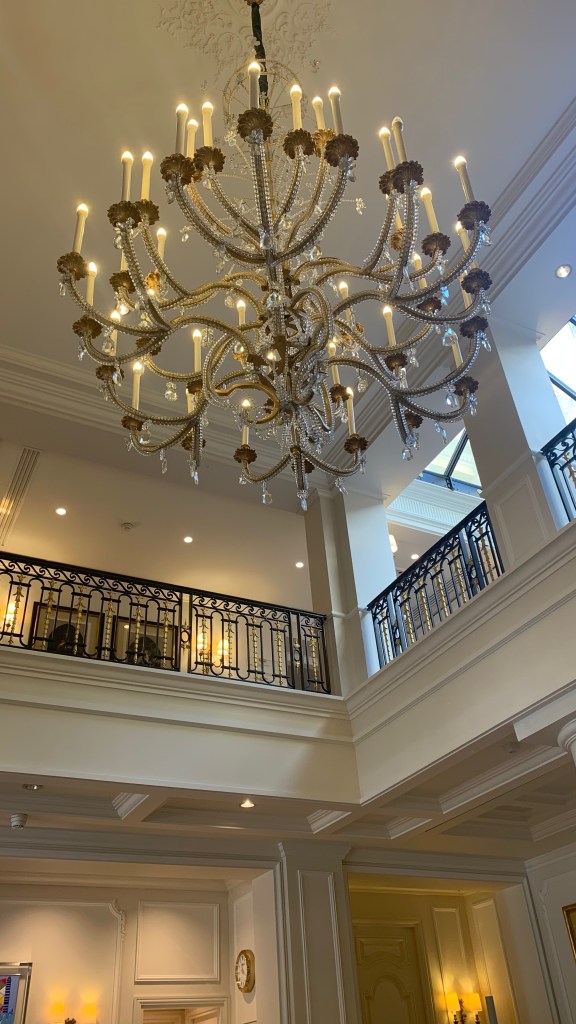
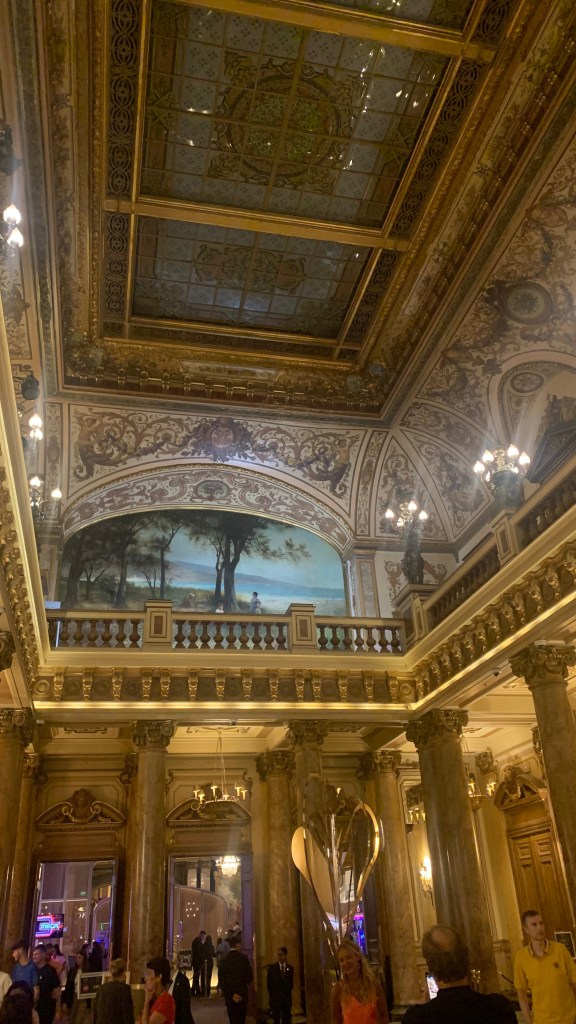
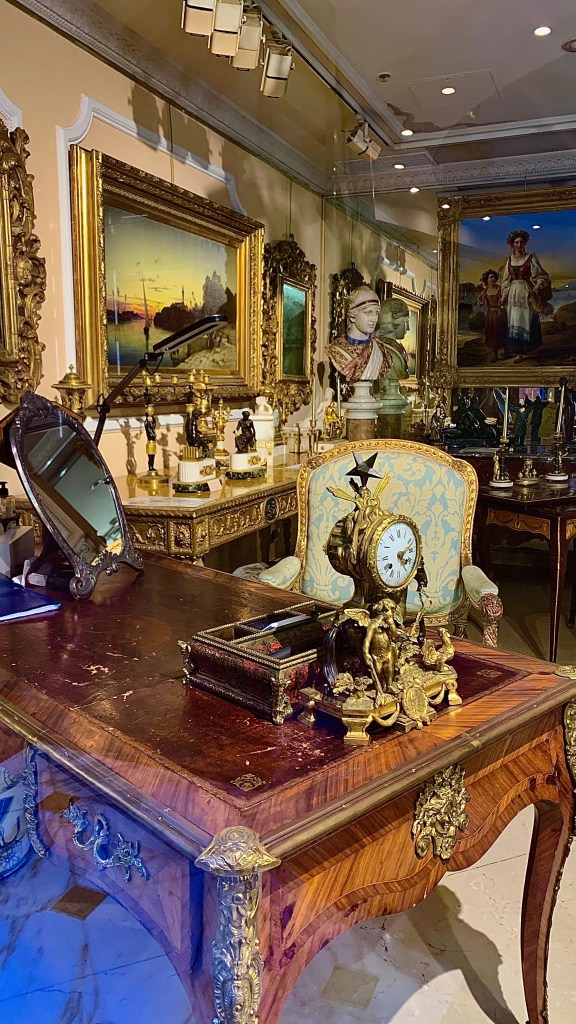
Material luxury is treated here not as decoration, but as a semiotic system. Marble, gold, glass, polished wood, leather, carpets, reflective surfaces and controlled lighting operate as visual signs of prestige, comfort, exclusion and institutionalized elegance.
The images and videos were selected according to their relevance for understanding how material surfaces produce atmosphere, distinction, legitimacy and symbolic distance within luxury tourism environments.
Reading Guide
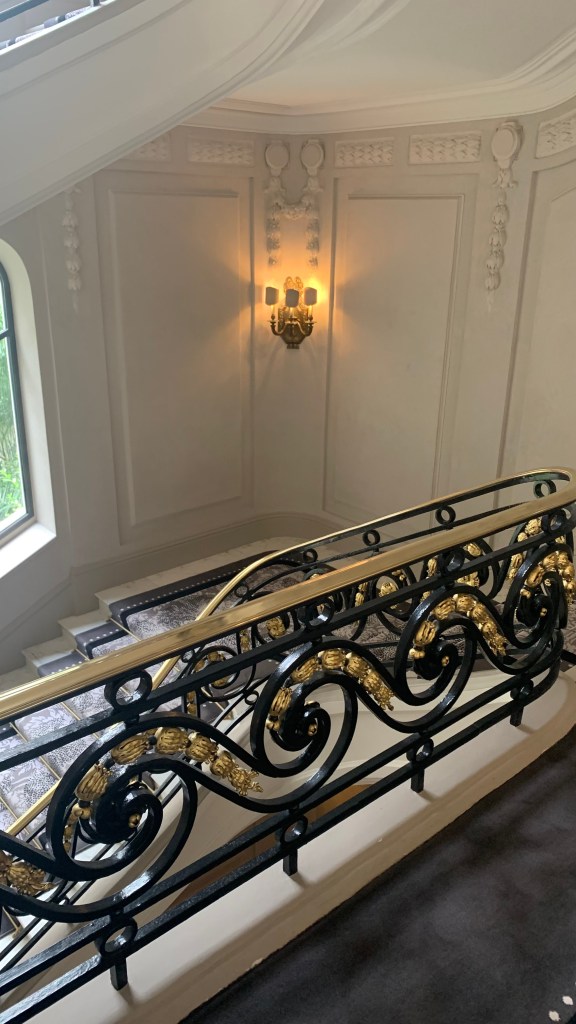
- Gold: works as a visual code of prestige, ceremony and institutionalized opulence.
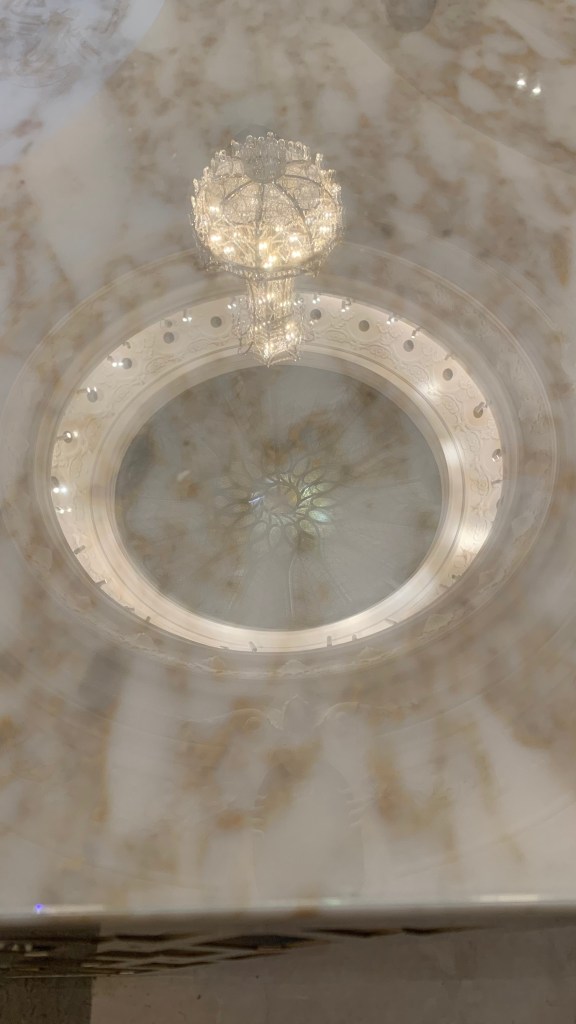
- Marble: produces permanence, cold refinement and architectural legitimacy.
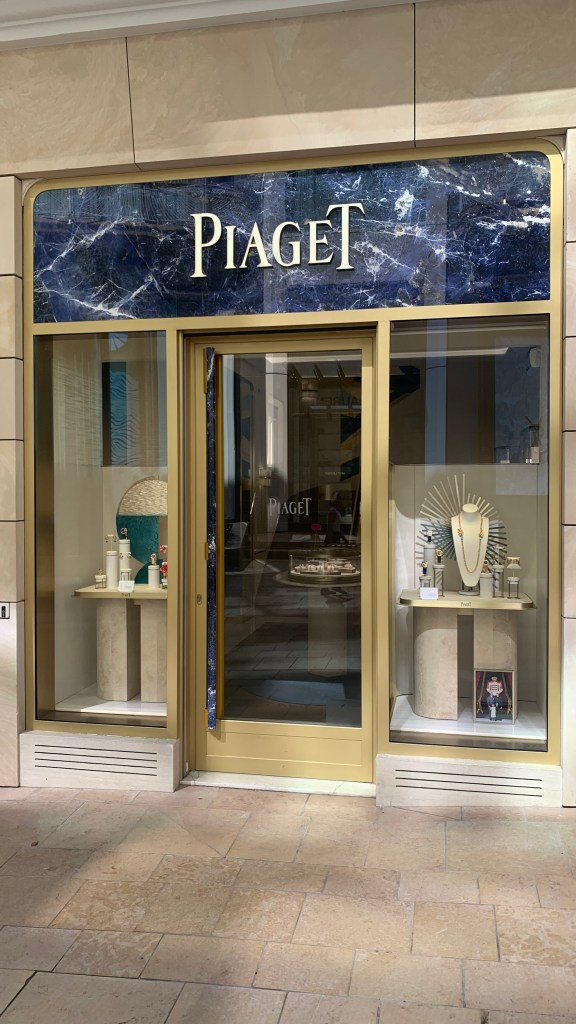
- Glass: creates visibility, transparency and controlled distance; one can see without necessarily accessing.
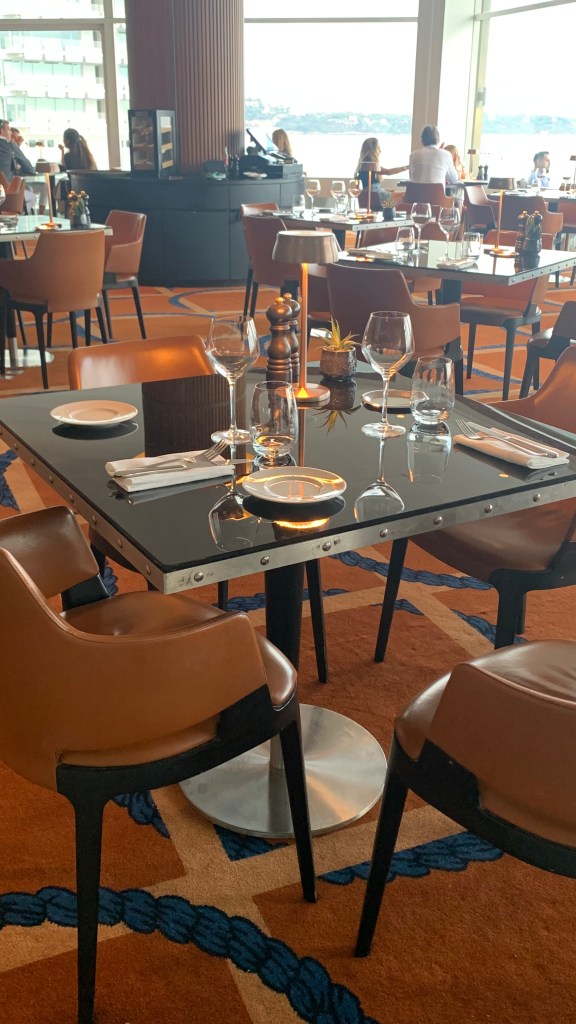
- Wood and leather: suggest warmth, discretion, heritage and private comfort.
- Light: transforms material surfaces into signs of distinction through reflection, shine and atmosphere.
Visual Fieldwork Gallery
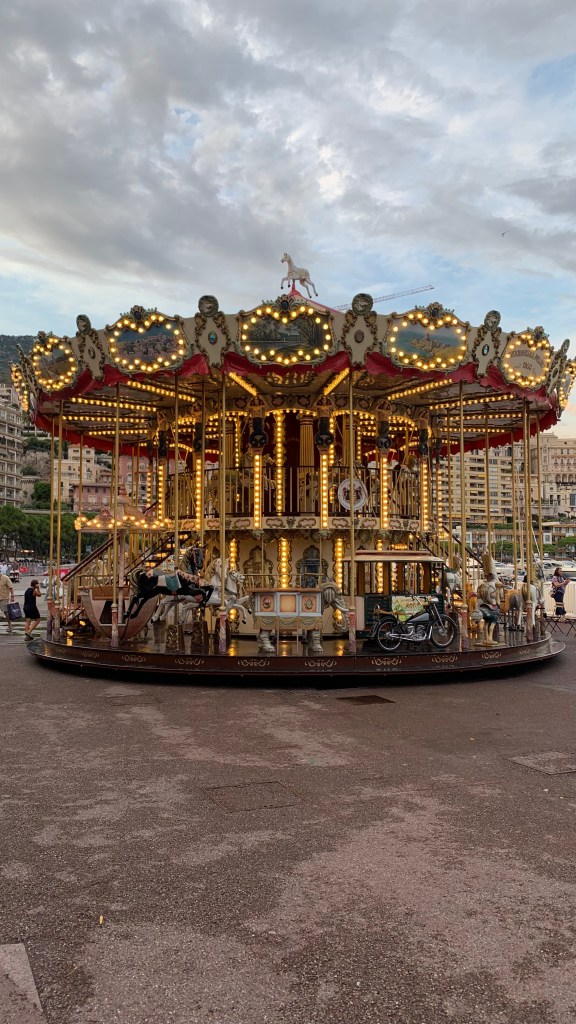
These images should be read as visual fieldnotes. Each photograph isolates one material mechanism through which luxury becomes legible: reflection, density, texture, shine, surface, tactility and spatial refinement.
All visual references discussed in this article originate from the author’s fieldwork archive. They form part of the Monte Carlo Gallery Collection, the visual archive of Xavier Reinaldo-Virgili (2017–2025). Selected materials are accessible through the project’s visual repository on Instagram: @nice_monaco.
Video Observations
The following videos should be read as moving fieldnotes. They capture the way luxury materials behave under movement: glass reflects, marble stabilizes, gold shines, wood absorbs, textiles soften, and light organizes the atmosphere of prestige.
Observe the relation between surfaces and perception. The material is not neutral. It guides the gaze, controls rhythm, produces silence and makes exclusivity feel natural.
Key Interpretive Insights
- Luxury as material code: marble, gold, glass, wood and leather translate social value into visible and tactile form.
- Luxury as controlled atmosphere: lighting, reflection and texture produce an environment where prestige is felt before it is explained.
- Luxury as symbolic durability: marble, antique items and monumental interiors suggest permanence, heritage and legitimacy.
- Luxury as selective transparency: glass allows visual access while preserving social distance.
- Luxury as tactile hierarchy: dense textiles, polished surfaces and soft finishes separate elite interiors from ordinary urban space.
Position within the Nice Monaco Research Project
This page belongs to the research line on Visual Iconography of Monaco. It also connects with the architecture of power and the sociology of elite visitors. Material aesthetics are both object and method: they reveal how luxury becomes readable through surfaces, textures, light and controlled atmosphere.
Visual Iconography · Architecture of Power & Exclusion · Luxury & Sociology of the Tourist · Ritual Spaces Matrix
All photographs and video content belong to the author’s fieldwork archive.
© Xavier Reinaldo Virgili 2017–2026.

